
Updated on: March 1, 2026
Manipuri cotton sarees represent a treasured tradition of Indian handloom craftsmanship, combining exceptional comfort with timeless elegance. These garments are crafted using pure cotton and feature intricate woven patterns that reflect centuries of cultural heritage. Whether you seek traditional attire for special occasions or everyday wear, understanding the characteristics, advantages, and maintenance of these sarees will help you make an informed investment in authentic Indian textiles.
Table of Contents
- Advantages and Disadvantages of Cotton Handloom Sarees
- Step-by-Step Guide to Selecting and Caring for Your Saree
- Summary and Recommendations
- Frequently Asked Questions
Advantages and Disadvantages of Manipuri Cotton Handloom Sarees
Advantages
Pure cotton handloom sarees from the Manipuri weaving tradition offer numerous benefits that make them a preferred choice for discerning textile enthusiasts. The primary advantage lies in their exceptional breathability and comfort. Cotton fibers naturally allow air circulation, making these garments ideal for warm climates and extended wear throughout the day. The fabric remains cool against the skin while maintaining adequate moisture absorption, preventing the discomfort often associated with synthetic materials.
Another significant benefit is the authenticity and cultural value embedded within each piece. Manipuri cotton sarees represent generations of weaving expertise, with artisans employing traditional techniques passed down through families. Each saree tells a story through its woven patterns, colors, and design elements, making it far more than a simple garment. Owners gain a connection to Indian heritage and support sustainable, ethical craftsmanship.
Durability represents another compelling advantage. Quality cotton handloom sarees, when properly maintained, can last for decades. The tight weave structure and natural fiber strength ensure that these garments withstand regular use and multiple washes without significant deterioration. Unlike mass-produced alternatives, handlooms improve with age, developing a soft patina that enhances their aesthetic appeal.
Environmental sustainability is an increasingly important consideration. Pure cotton is biodegradable and produced without harsh chemicals in traditional handloom processes. Choosing such sarees supports eco-conscious fashion practices and reduces reliance on synthetic textiles that harm the environment.
Disadvantages
Despite their numerous advantages, Manipuri cotton sarees present certain limitations that prospective buyers should consider. Cost represents the most obvious drawback. Handwoven sarees command premium prices due to the labor-intensive production process and the skilled artisanship involved. A single saree may require weeks of work, justifying its higher price point compared to factory-manufactured alternatives.
Wrinkle-prone nature is an inherent characteristic of pure cotton. Unlike synthetic blends, cotton naturally creases easily, requiring regular ironing or steaming to maintain a crisp appearance. This maintenance demand may not appeal to individuals seeking low-maintenance clothing options for busy lifestyles.
Availability and selection limitations can frustrate some shoppers. Since each saree is handwoven individually, specific color combinations or patterns may have limited stock. Finding an exact replacement or matching set piece requires patience and sometimes extended waiting periods.
Shrinkage potential exists with cotton sarees if not washed with appropriate care. Exposure to hot water or aggressive washing methods can cause slight shrinkage, making proper maintenance knowledge essential for preserving the garment's original fit and dimensions.

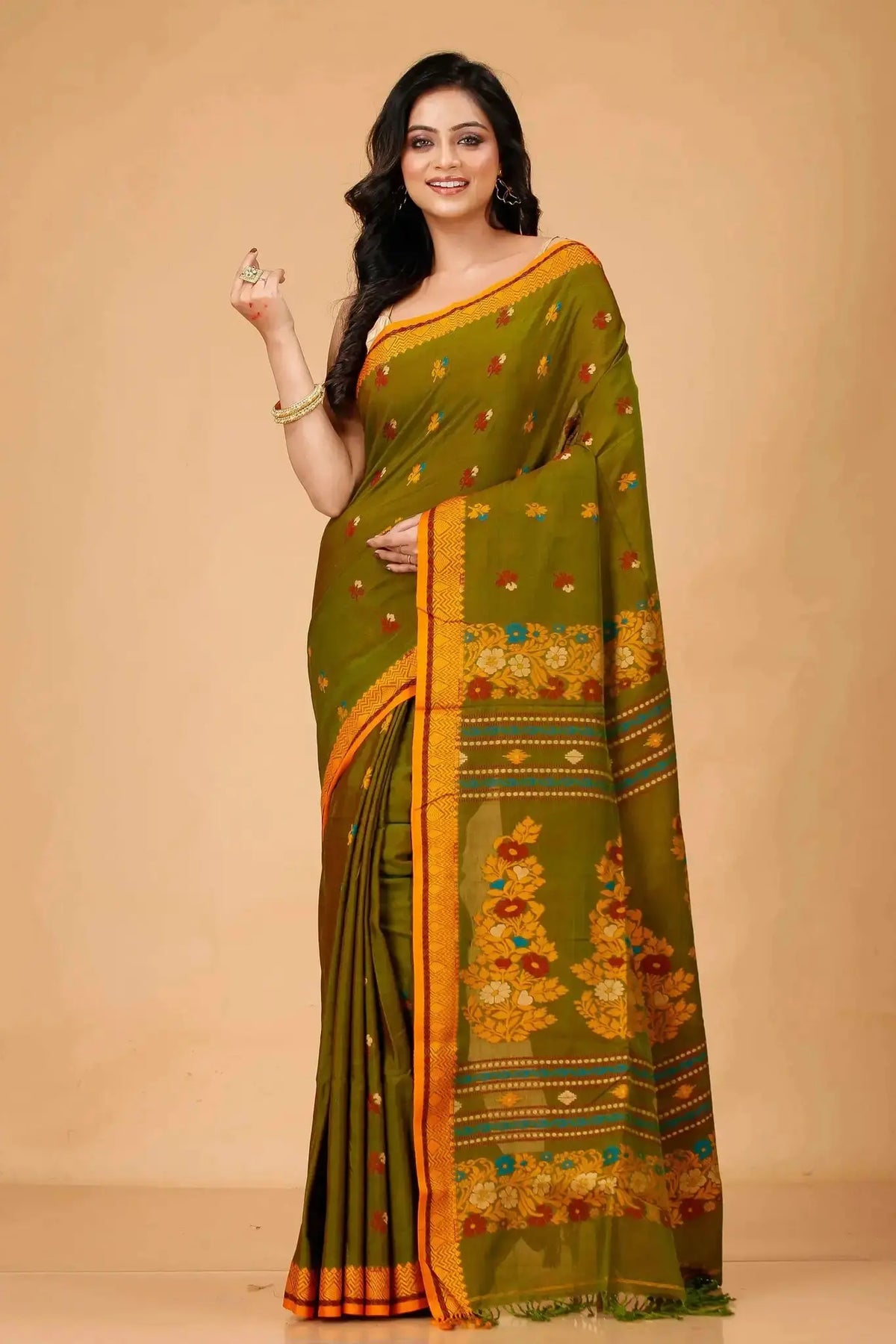
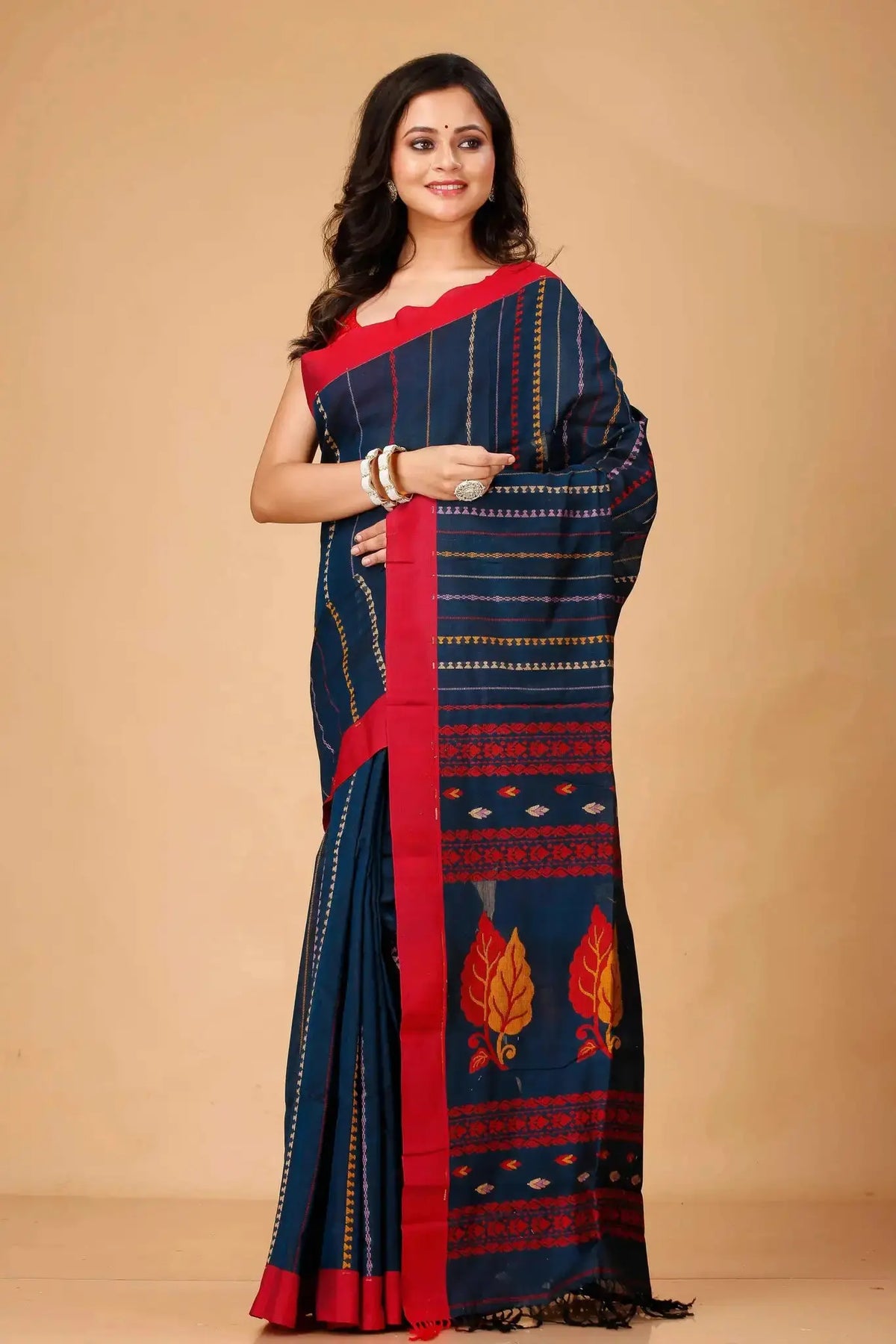
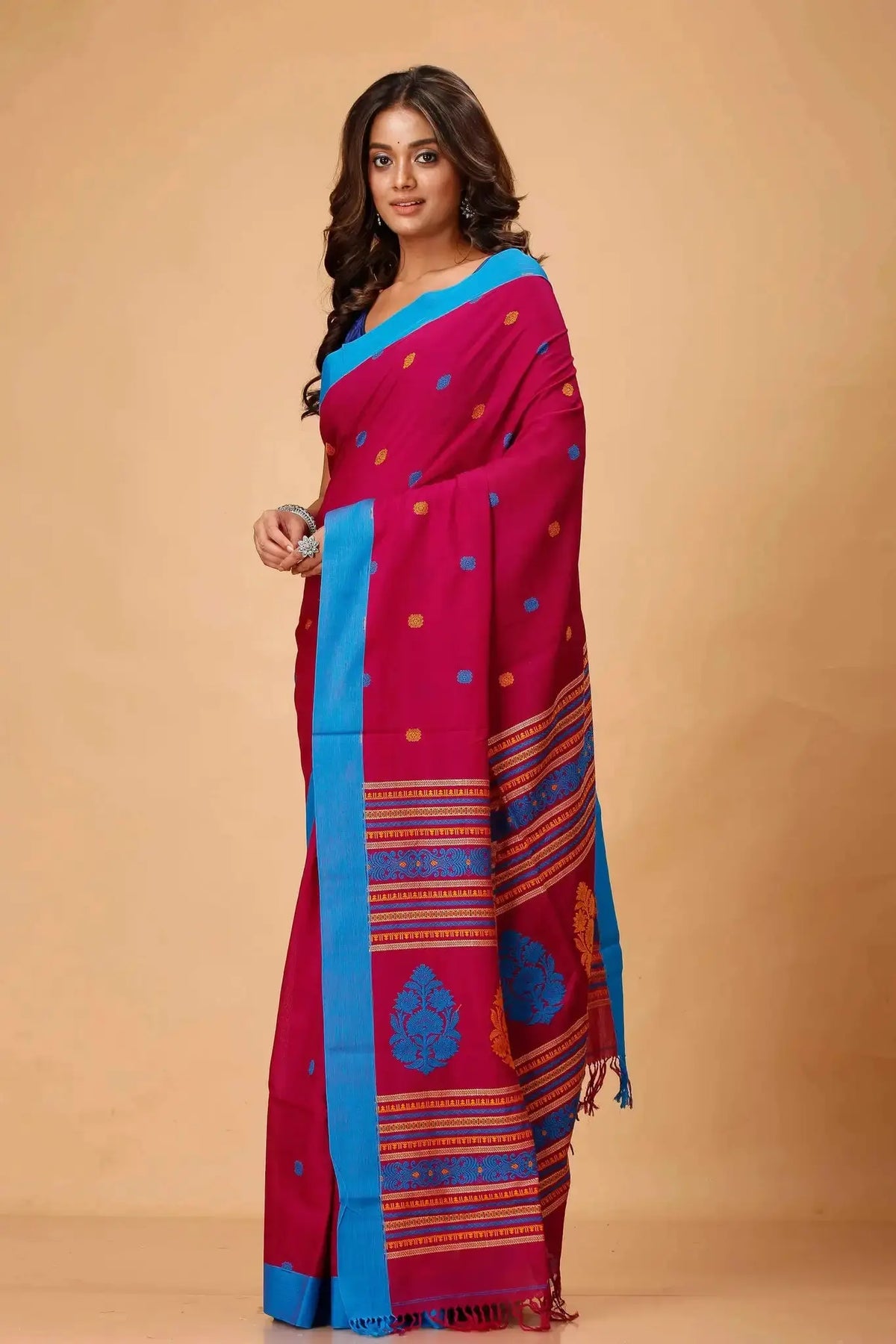
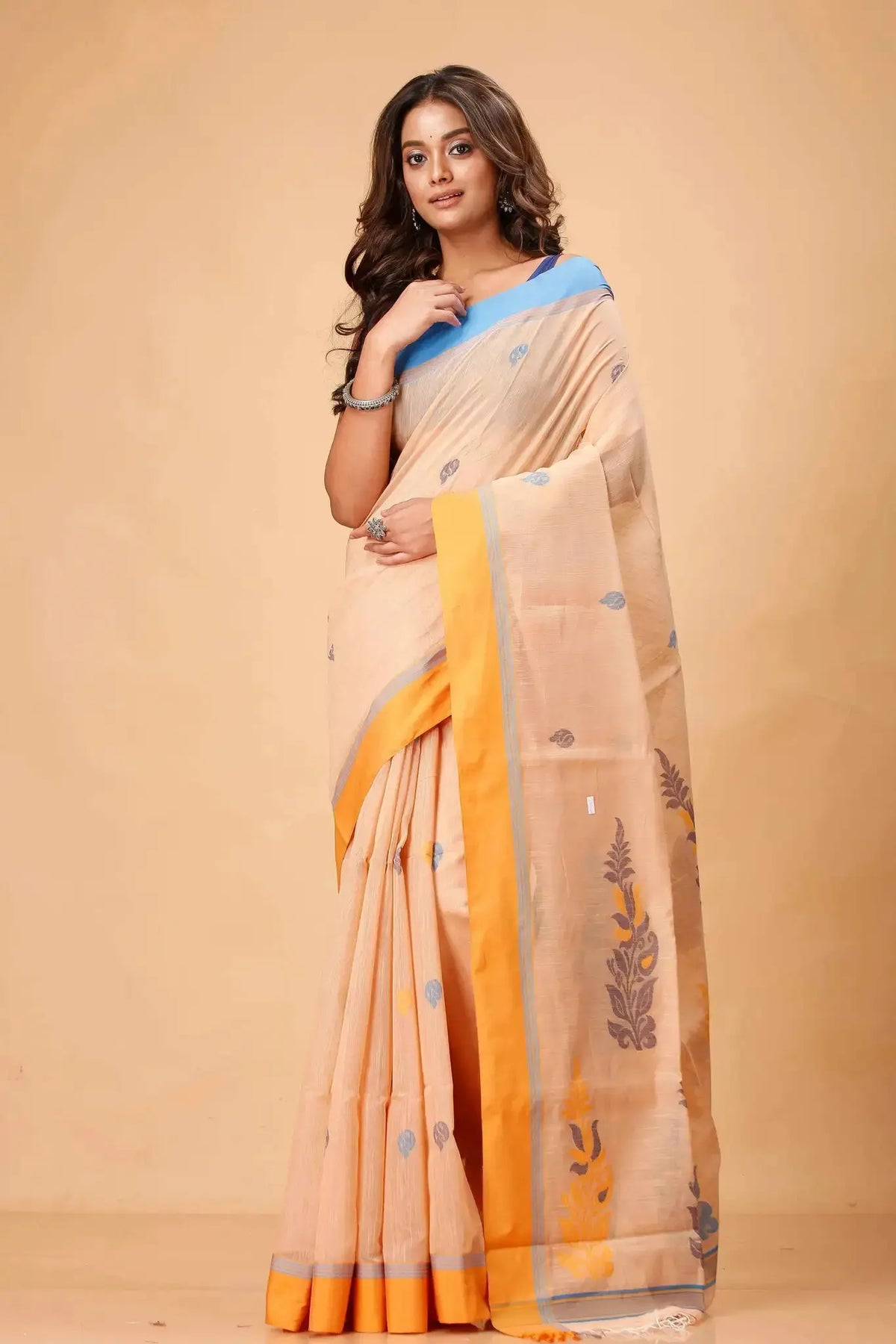
Traditional handloom weaving techniques creating intricate woven patterns with vibrant natural dyes.
Step-by-Step Guide to Selecting and Caring for Your Saree
Step One: Understanding Saree Specifications and Quality Markers
Begin your selection process by familiarizing yourself with quality indicators. Examine the thread count and weave tightness by holding the saree against light. A dense, even weave suggests superior quality and durability. Check for consistent color throughout the fabric, as uneven dyeing may indicate lower-quality production methods. Run your fingers across the surface to assess smoothness and feel for any irregularities or loose threads.
Pay attention to the border and pallu designs, which are distinctive features of Manipuri cotton sarees. The borders should display sharp, well-defined patterns, and the colors should not bleed or fade. Authentic handlooms feature slight natural variations, which are actually marks of genuine craftsmanship rather than flaws. Verify the cotton content percentage on product labels to ensure you are purchasing pure cotton rather than blended fabrics.
Step Two: Choosing Colors and Patterns Suited to Your Preferences
Select colors that complement your skin tone and personal style. Earth tones, jewel tones, and pastels are classic options that work beautifully in cotton handlooms. Consider the occasions for which you plan to wear the saree. For everyday wear, softer, neutral colors offer versatility. For festive occasions or special events, richer, more saturated colors create striking statements. Navy blue with red borders exemplifies a timeless color combination suitable for various occasions.
Examine pattern options carefully. Traditional geometric designs, floral motifs, and symbolic patterns each carry cultural significance. Some individuals prefer minimalist designs, while others appreciate intricate, densely patterned fabrics. Your choice should reflect personal aesthetic preferences while respecting the traditional nature of these sarees.
Step Three: Making Your Purchase
Purchase from reputable sellers who provide detailed product information and authentication guarantees. Authentic merchants offer clear photographs showing weave structure, color accuracy, and pattern details. Review customer feedback and return policies before committing to your purchase. Request information about the artisan or weaving region, as this adds authenticity verification and supports transparency in the supply chain.
Step Four: Pre-Wash Preparation and First Wash
Before wearing your new saree for the first time, prepare it properly. Fill a large basin with cool water and add a gentle, mild detergent specifically formulated for delicate fabrics. Submerge the saree gently without twisting or wringing. Allow it to soak for approximately fifteen to twenty minutes. This initial wash removes any sizing agents or residual dust from the weaving process.
Gently agitate the water with your hands while the saree soaks. Never rub, scrub, or use washing machines, as these methods damage the delicate fibers and weave structure. After soaking, drain the water carefully and rinse the saree under cool running water until the water runs clear, indicating complete removal of detergent.
Step Five: Drying Your Saree Correctly
Proper drying is critical for maintaining the saree's shape and quality. Lay the saree flat on a clean, white cotton sheet in a shaded area. Avoid direct sunlight, which can fade colors over time. Ensure good air circulation but protect the saree from dust and environmental contaminants. Never hang the saree wet from a clothesline, as this stretches the fabric and can cause permanent distortion.
Allow the saree to dry completely before handling or storing it. This typically requires several hours depending on humidity levels and air circulation. Once dry, fold the saree gently and store it in a cool, dry location away from direct light.
Step Six: Regular Maintenance and Storage
Wash your saree every three to four wears using the gentle hand-washing method described above. For ironing, use a medium-heat setting with a cotton appropriate to prevent scorching. Iron the saree on the reverse side when possible to protect colors and patterns from direct heat exposure. Peach and beige combinations require particularly careful heat management to preserve color vibrancy.
Store your sarees in breathable cotton bags rather than plastic, which traps moisture and encourages mold growth. Keep them in a space with stable temperature and humidity levels, away from direct sunlight and sources of heat. Consider placing silica gel packets or neem leaves in the storage area to deter insects and moisture buildup naturally.

Careful hand-washing and air-drying techniques preserving fabric integrity and vibrant colors.
Summary and Recommendations
Manipuri cotton sarees represent an excellent investment in quality, cultural heritage, and sustainable fashion. These handwoven garments combine comfort, durability, and aesthetic beauty in ways that mass-produced alternatives cannot replicate. While they require more careful maintenance and represent a significant financial commitment, their longevity and cultural value justify the investment for individuals who appreciate authentic Indian textiles.
We recommend selecting sarees from established, reputable sources that provide transparency about production methods and artisan backgrounds. Beige and green color combinations offer versatility for both traditional and contemporary styling. Commit to proper care practices, including gentle hand washing, appropriate storage, and careful handling, to maximize the lifespan of your investment.
For those seeking authentic handloom sarees that combine traditional craftsmanship with superior quality, exploring collections that showcase various regional weaving traditions ensures you find pieces that resonate with your personal style and values. These sarees become treasured possessions, suitable for passing down through generations as meaningful family heirlooms.
Frequently Asked Questions
What is the difference between Manipuri cotton sarees and other regional Indian handloom sarees?
Manipuri cotton sarees originate from Manipur, a state in Northeast India, and feature specific weaving techniques and design aesthetics distinct from other regional varieties. They typically showcase intricate woven patterns created using traditional handlooms, with characteristic color combinations and motifs that reflect the region's cultural heritage. While other regions produce exceptional handloom sarees, such as Bengal and other areas, each maintains unique weaving methods, pattern styles, and material preferences. The distinguishing features of sarees from Manipur include their specific border treatments, traditional motifs, and the particular cotton varieties used in production.
How often should I wash my cotton handloom saree?
The washing frequency depends on how frequently you wear the saree and the conditions under which it is worn. For sarees worn regularly, washing every three to four wears is appropriate. If you wear the saree occasionally for special occasions, you may wash it only after every two to three uses. Always use gentle hand-washing methods with cool water and mild, delicate-fabric detergents. Avoid washing after minimal wear, as excessive washing accelerates fabric aging and color fading, even when using gentle methods. Store sarees properly between wears to minimize the need for frequent washing.
Can I wear a Manipuri cotton saree to formal events, or are they only for casual occasions?
Manipuri cotton sarees are versatile and appropriate for various occasions, including formal events, celebrations, and daily wear. The formality level depends on the color, pattern complexity, and how you style the saree. Sarees in deeper, jewel-tone colors with intricate patterns create sophisticated, formal appearances suitable for weddings, festivals, and professional events. Lighter colors and simpler patterns work beautifully for casual gatherings and everyday occasions. Pair your saree with appropriate jewelry, footwear, and styling to adjust the formality level as needed. Many women appreciate cotton sarees specifically for their comfort during extended wear at formal events, as the breathable fabric prevents the discomfort associated with synthetic materials worn for long periods.
Are handloom sarees more expensive than factory-produced alternatives, and why?
Yes, authentic handloom sarees command significantly higher prices than factory-produced options. This price difference reflects the labor-intensive production process, skilled craftsmanship, and time required to complete each saree. A single handwoven saree may require two to six weeks of work depending on complexity and pattern density. Artisans receive fair compensation for their expertise and time. Additionally, materials used in handloom production are typically higher quality, and the production process involves minimal environmental impact compared to industrial manufacturing. The premium price ensures support for traditional crafts and artisan communities while guaranteeing superior quality, durability, and authenticity that justify the investment.
How do I prevent color fading in my cotton saree?
Protect your saree's colors through several preventive measures. Always wash in cool water rather than warm or hot, which accelerates color loss. Use only mild detergents specifically formulated for delicate fabrics, as harsh chemicals can strip colors. Avoid prolonged soaking, and wash the saree in the reverse side when possible during hand washing. Dry the saree in shaded areas away from direct sunlight, which is the primary cause of color fading in cotton textiles. Store sarees in cool, dark locations, and protect them from exposure to light during storage. When ironing, use low to medium heat settings and iron on the reverse side to minimize direct heat exposure to colored surfaces. Darker colors like chocolate brown require particularly careful protection from sunlight to maintain their richness.
What should I look for when examining a handloom saree for quality?
Quality indicators include thread count evenness, consistency of weave structure, and absence of loose threads or damage. Hold the saree against light to assess weave density and uniformity. Examine the border for sharp, well-defined patterns and consistent colors. Check that selvage edges are intact and properly finished. Authentic handlooms display slight natural variations in color and pattern, which indicate genuine craftsmanship rather than machine precision. Review the fabric's feel and weight, which should feel substantial and smooth. Verify cotton content percentage through product labeling, and request information about the weaving region and artisan background. Reputable sellers provide detailed photography and transparent information about production methods and materials.
Can I wear handloom cotton sarees during monsoon or humid seasons?
Yes, cotton sarees are particularly suited to humid and monsoon seasons due to their exceptional breathability and moisture-absorbing properties. The natural fiber regulates body temperature effectively in humid conditions, preventing the clammy discomfort associated with synthetic materials. However, be mindful of proper storage during monsoon to prevent moisture accumulation and mold growth. Ensure adequate air circulation in storage areas, use silica gel packets to absorb excess moisture, and inspect sarees regularly for any signs of moisture damage. Dry any saree thoroughly after washing before storage, and consider using neem leaves in storage containers for natural moisture and insect management. The breathable nature of cotton makes these sarees ideal for humid climates when stored and maintained properly.
Are Manipuri cotton sarees suitable for all age groups?
Absolutely. Handloom cotton sarees transcend age boundaries and are appropriate for women of all ages. Young women appreciate the contemporary styling options available with traditional patterns, while older women value the comfort, durability, and cultural significance. Teenagers can style these sarees fashionably for celebrations and special occasions. The versatility in colors, patterns, and styling methods ensures that every age group finds options that suit their preferences and comfort levels. Many families pass handloom sarees down through generations, making them meaningful across all ages. The breathable, comfortable nature of cotton makes these sarees suitable for daily wear by all age groups, particularly appreciated by older women who prioritize comfort without compromising elegance.
What is the environmental impact of choosing handloom cotton sarees?
Choosing handloom cotton sarees supports environmentally sustainable practices compared to factory manufacturing. The production process involves minimal chemical use, lower energy consumption, and significantly reduced waste generation. Traditional handloom production supports rural artisan communities and preserves cultural heritage while maintaining minimal environmental footprint. Cotton is a natural, biodegradable fiber that breaks down completely without polluting soil or water systems. By selecting handloom sarees, you support sustainable fashion practices, ethical labor practices, and environmental conservation. This choice contributes to reduced dependency on synthetic textiles and supports communities that practice environmentally conscious traditional crafts, making your purchase a vote for sustainable, ethical fashion practices.
How can I authenticate a genuine Manipuri cotton handloom saree?
Authentic handloom sarees display specific characteristics that distinguish them from imitations. Genuine handlooms feature slight natural variations in weave, color, and pattern density, which indicate individual artisan work rather than machine precision. Request detailed information about the weaving region, artisan background, and production methods. Reputable sellers provide certificates of authenticity or detailed provenance information. Examine the saree for hallmarks of hand weaving, including imperfect but intricate pattern work and naturally consistent yarn thickness variations. The price point should align with the labor-intensive production process; suspiciously low prices often indicate mass-produced imitations. Purchase from established sellers with positive customer reviews and transparent policies. Authentic merchants willingly provide additional information, photographs, and customer references to verify legitimacy and support transparency in the supply chain.
What styling options work best with Manipuri cotton handloom sarees?
Handloom cotton sarees offer versatile styling possibilities suitable for various occasions and personal preferences. For formal events, pair with traditional jewelry, bindi, and classic footwear. For casual occasions, style with minimal jewelry and comfortable footwear. Contemporary styling options include pairing the saree with modern blouses, minimalist jewelry, and contemporary accessories that create fusion looks appealing to younger generations. The natural elegance of cotton handlooms works beautifully with simple styling, allowing the saree's intricate patterns and quality to remain the focal point. Consider your personal style preferences and occasion requirements when selecting jewelry, footwear, and accessories. The versatility of handloom cotton sarees makes them suitable for both traditional and contemporary styling approaches, enabling creative personal expression while honoring cultural heritage.
How should I store my handloom sarees long-term?
For long-term storage, use breathable cotton bags rather than plastic, which traps moisture and promotes mold growth. Store sarees in a cool, dry location with stable temperature and humidity levels, away from direct sunlight and heat sources. Fold sarees gently along natural fold lines rather than creating new creases that might become permanent. Place silica gel packets or neem leaves in the storage container to deter insects and absorb excess moisture naturally. Ensure good air circulation within the storage area, and inspect sarees periodically to monitor for any signs of moisture damage or pest activity. Keep sarees away from strong-smelling substances that might transfer odors to the fabric. Proper long-term storage ensures that your handloom saree remains in excellent condition and can be treasured and worn for decades, making it a true heirloom piece.
What blouse styles complement Manipuri cotton handloom sarees best?
Blouse selection significantly impacts the overall appearance of your saree. Traditional blouse styles, such as the classic fitted blouse with pleated back, complement the traditional aesthetic of handloom sarees beautifully. Contemporary blouse options, including sleeveless designs, off-shoulder styles, and modern cuts, create fusion looks suitable for younger wearers or fashion-forward occasions. Consider the saree's pattern and color when selecting blouse design and color. A contrasting blouse color creates visual interest, while matching or complementary colors maintain traditional cohesion. For formal occasions, choose blouses in solid colors or subtle patterns that allow the saree to remain the focal point. For casual wear, bolder blouse designs and colors create contemporary style statements. The saree's border color often informs ideal blouse color choices, creating harmonious overall appearances.
Are there specific care instructions for printed versus woven-pattern handloom sarees?
Woven-pattern sarees, including genuine Manipuri handlooms, require slightly different care than printed versions. Woven patterns are integral to the fabric structure, making them more durable and resistant to fading compared to printed designs. Both types benefit from gentle hand washing in cool water using mild detergents. However, woven-pattern sarees can withstand slightly warmer water temperatures if necessary, while printed sarees require cooler water to prevent pattern degradation. Avoid excessive wringing or aggressive handling for both types. Iron woven-pattern sarees on the reverse side at medium heat settings. Printed sarees may benefit from lower heat settings to protect surface design elements. Both types require proper shaded storage away from direct sunlight, though woven patterns show greater resistance to color fading due to their structural integration within the fabric rather than surface application.
What makes traditional handloom cotton sarees valuable as heirloom pieces?
Handloom cotton sarees become cherished heirloom pieces due to their durability, cultural significance, and the stories they embody. Quality cotton sarees improve with age, developing a soft patina and character that increases their sentimental value. Each saree represents the artistic vision and skilled work of individual artisans, making it unique and irreplaceable. The cultural heritage embedded within traditional patterns and weaving techniques connects wearers to their ancestral roots and regional traditions. Properly maintained sarees remain wearable across generations, offering practical longevity alongside emotional significance. Passing down handloom sarees creates family traditions and connects younger generations to their cultural heritage in meaningful, tangible ways. The investment in quality ensures that these sarees become precious possessions, suitable for special occasions and ceremonies that mark significant life moments across generations.
How do I support artisan communities through purchasing handloom sarees?
Purchasing from authentic, transparent sources ensures your investment directly supports artisan communities. Choose sellers who work directly with weavers or cooperative organizations that ensure fair compensation and ethical working conditions. Research the seller's relationship with artisan communities and their commitment to sustainable practices. By paying premium prices for handloom sarees, you enable artisans to sustain their livelihoods and continue traditional crafts. Supporting these purchases encourages younger generations within weaving communities to continue learning traditional techniques, preserving cultural heritage for future generations. Some organizations provide detailed information about specific artisans or weaving cooperatives, enabling direct support and personal connection with the craftspeople behind your saree. Your informed purchasing decisions vote for ethical, sustainable fashion and help preserve traditional crafts in an increasingly industrialized world, supporting communities and cultural heritage preservation simultaneously.
Can cotton handloom sarees be customized with specific patterns or colors?
Many authentic handloom artisans and sellers offer customization options, allowing customers to commission sarees with specific patterns, colors, or design elements. Customization requires direct communication with artisans or specialized sellers who facilitate custom orders. The customization process typically involves extended timelines, as artisans must create custom looms or thread combinations to achieve desired specifications. Customization fees reflect the additional labor and material costs involved in creating unique pieces. Not all patterns or color combinations may be feasible within traditional weaving techniques, requiring consultation with experienced artisans to ensure design feasibility. Customized handloom sarees create truly unique, personalized pieces that reflect individual preferences while maintaining the integrity of traditional weaving methods. For those seeking completely unique, personalized heirloom pieces, customization options offer meaningful opportunities to create garments that become deeply personal treasures.
Are there any seasonal considerations for wearing Manipuri cotton handloom sarees?
Cotton handlooms excel in warm, humid seasons due to their breathability and moisture-absorbing properties, making them ideal for summer and monsoon wear. However, their versatility extends to all seasons with appropriate styling adjustments. In cooler seasons, layer your saree with shawls, wraps, or jackets for warmth while maintaining comfort. The fabric's natural insulation properties provide adequate warmth in moderate climates without the heaviness of synthetic alternatives. Lighter colors and designs work beautifully during summer months, while deeper colors suit cooler seasons visually. The adaptability of cotton sarees across all seasons, combined with their comfort benefits, makes them suitable year-round wardrobe staples that work equally well at celebration time in any weather. Many women appreciate cotton sarees specifically for their year-round wearability compared to synthetic alternatives that feel uncomfortable in warm weather or inadequate in cooler months.
What is the typical lifespan of a well-maintained handloom cotton saree?
High-quality handloom cotton sarees, when properly maintained, last for decades and even generations. Many sarees remain wearable after twenty to thirty years of regular use, with proper care practices significantly extending this lifespan. The tight weave structure and natural fiber strength of quality cotton ensure exceptional durability compared to mass-produced alternatives. Proper maintenance through gentle washing, appropriate storage, and careful handling maximizes longevity. Some family sarees pass through three to four generations without losing functionality or aesthetic appeal, instead developing character and patina that increase sentimental value. The investment in quality handloom sarees pays dividends over time, as the per-wear cost decreases dramatically across years and decades of use. Unlike fast-fashion alternatives that deteriorate quickly, handloom cotton sarees represent true value investments that become more precious with age and use.
How do I identify if a saree is truly pure cotton or a cotton blend?
Product labeling should clearly state fiber composition and percentage. Authentic handloom sarees are typically one hundred percent pure cotton, though some contemporary pieces may include small percentages of other natural fibers. Read labels carefully to verify cotton percentage and identify any blended fibers. Pure cotton sarees feel softer and more breathable compared to blended alternatives. Conduct a simple burn test if desired: a small piece of pure cotton burns completely to ash without melting, while blended fibers may melt or create residual plastic-like material. Ask sellers directly about fiber content and request documentation or certificates confirming materials. Reputable merchants provide transparent information about exactly what fibers are present in their products. Purchase from established sellers with clear product descriptions and authentication documentation to ensure you receive genuinely pure cotton sarees.
What price range should I expect for authentic Manipuri cotton handloom sarees?
Authentic handloom sarees vary in price based on complexity, pattern density, color, and artisan skill level. Entry-level quality handloom sarees typically begin around the mid-range of common textile prices, while premium, extensively patterned pieces command higher prices reflecting exceptional craftsmanship. Price should align with the labor-intensive production process and quality materials used. Suspiciously low prices often indicate machine-made imitations or lower-quality production. Compare prices across multiple established sellers to understand market ranges for specific styles and quality levels. Remember that you are investing in authentic craftsmanship, ethical labor practices, and garments that will last for decades when properly maintained. The premium price reflects true value that becomes apparent across years of wear and enjoyment, making handloom sarees excellent long-term wardrobe investments despite higher initial costs compared to mass-produced alternatives.
How can I learn more about the cultural significance of specific patterns in handloom sarees?
Explore resources provided by textile museums, cultural organizations, and handloom associations that document traditional patterns and their meanings. Many authentic sellers provide information about pattern origins and cultural significance. Read books and articles about Indian textile traditions and regional weaving heritage. Visit cultural centers or festivals celebrating textile arts and traditional crafts. Engage with artisan communities through social media or direct communication, as many weavers enjoy sharing information about their design inspirations and cultural meanings. Understanding cultural significance deepens your appreciation for your saree and creates meaningful connections to the heritage it represents. This knowledge transforms your saree from simply a beautiful garment into a cultural artifact that you wear with conscious understanding and respect for the traditions it embodies, enriching your personal connection to the piece and the communities who create these treasured textiles.
What role do handloom cotton sarees play in contemporary fashion and styling?
Contemporary fashion increasingly celebrates traditional handloom sarees as valuable alternatives to fast-fashion and mass-produced textiles. Modern styling approaches blend traditional sarees with contemporary elements, creating fusion looks that appeal to younger generations while honoring cultural heritage. Fashion designers incorporate handloom textiles into modern garment designs, elevating traditional weaving to high-fashion status. Conscious consumers seek handloom sarees specifically for their sustainability credentials and ethical production practices. Social media platforms showcase innovative ways to style traditional sarees with modern accessories