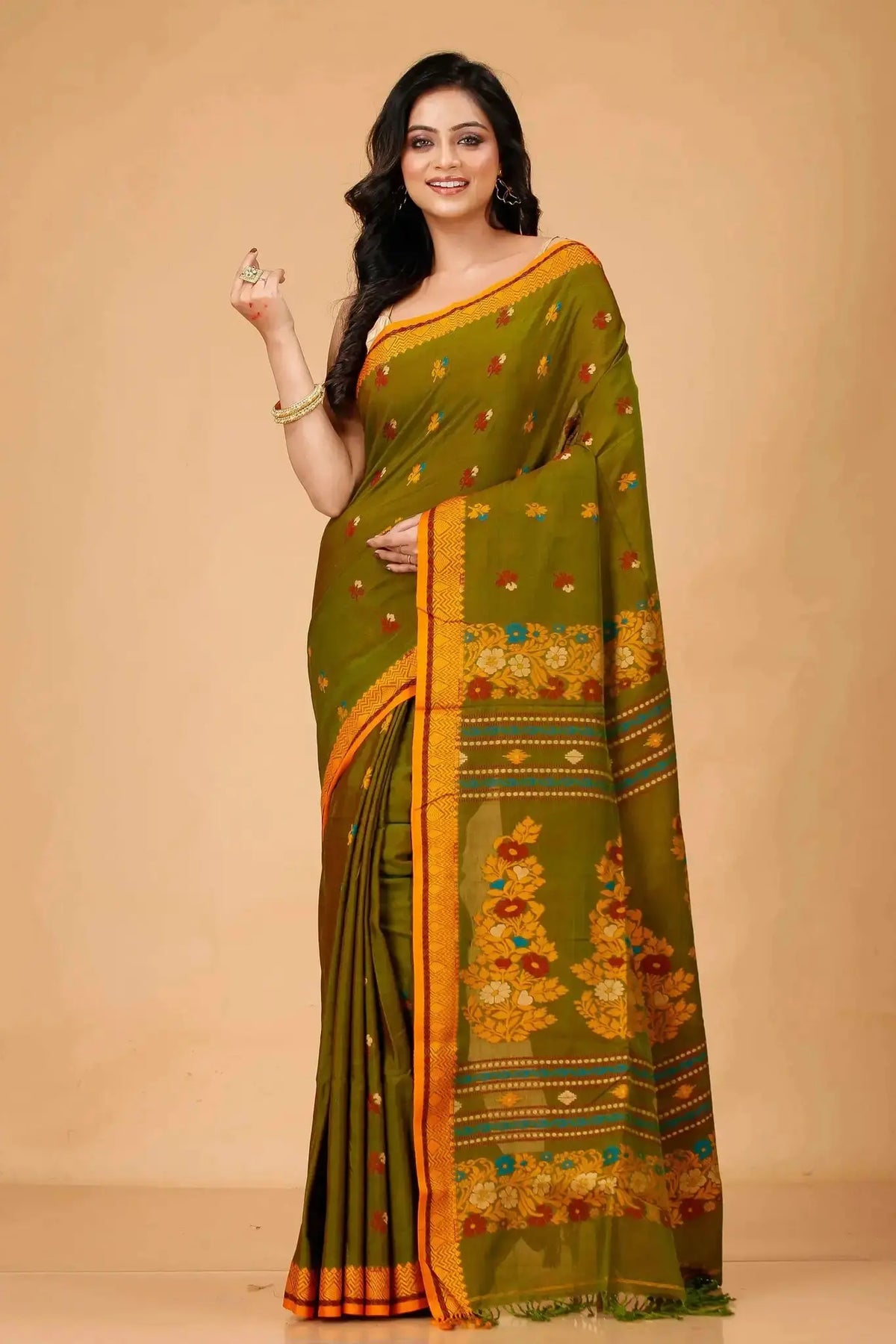
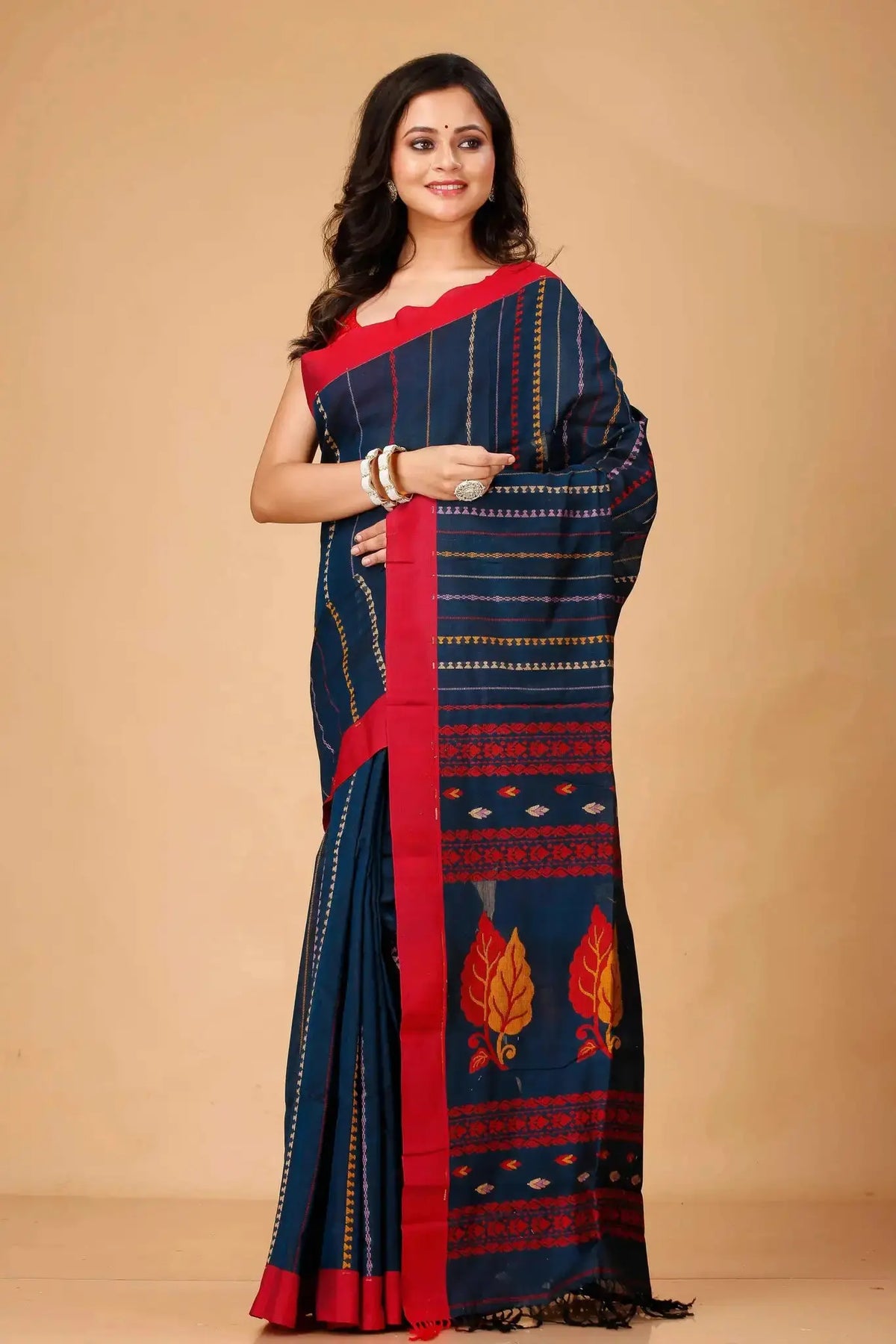
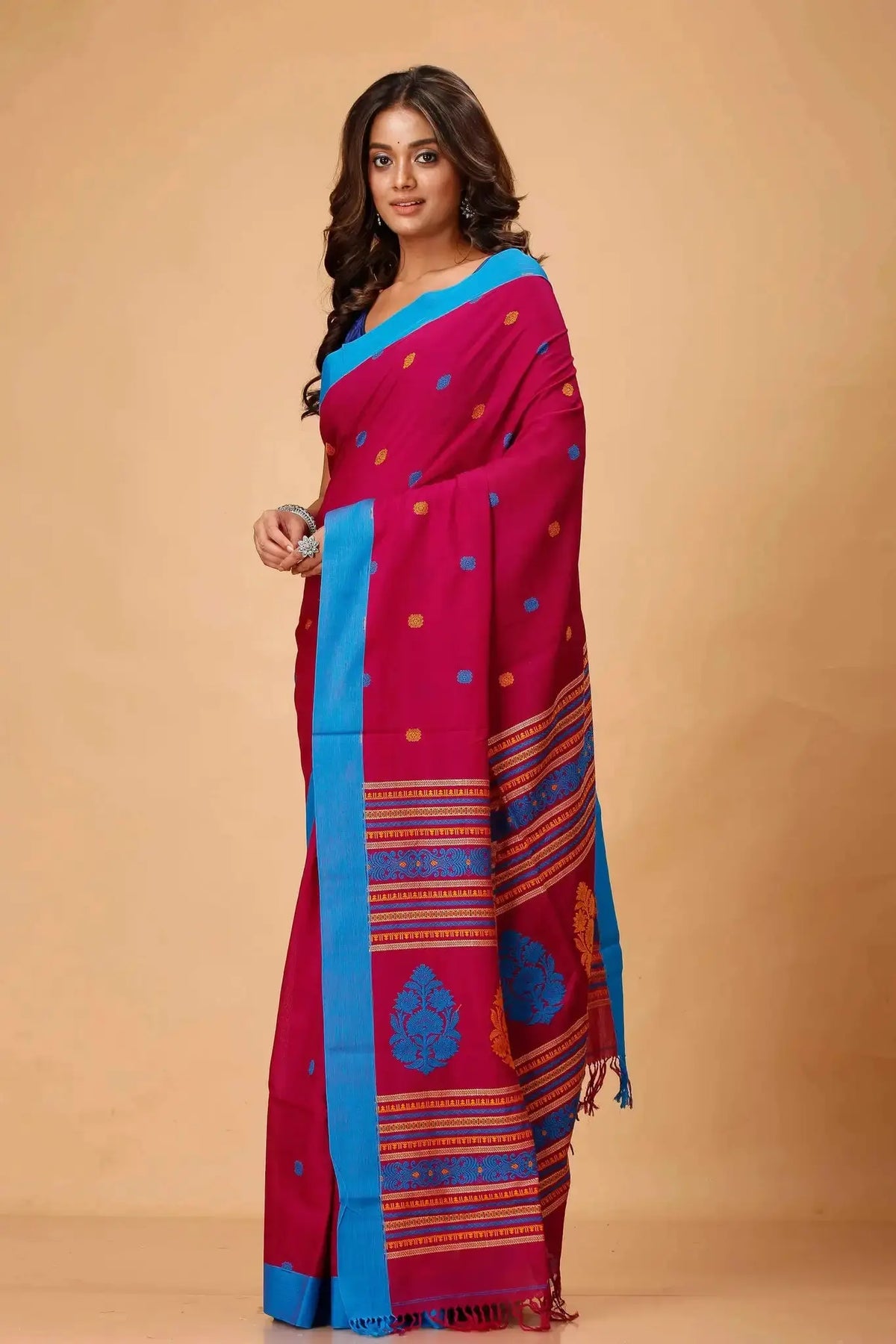
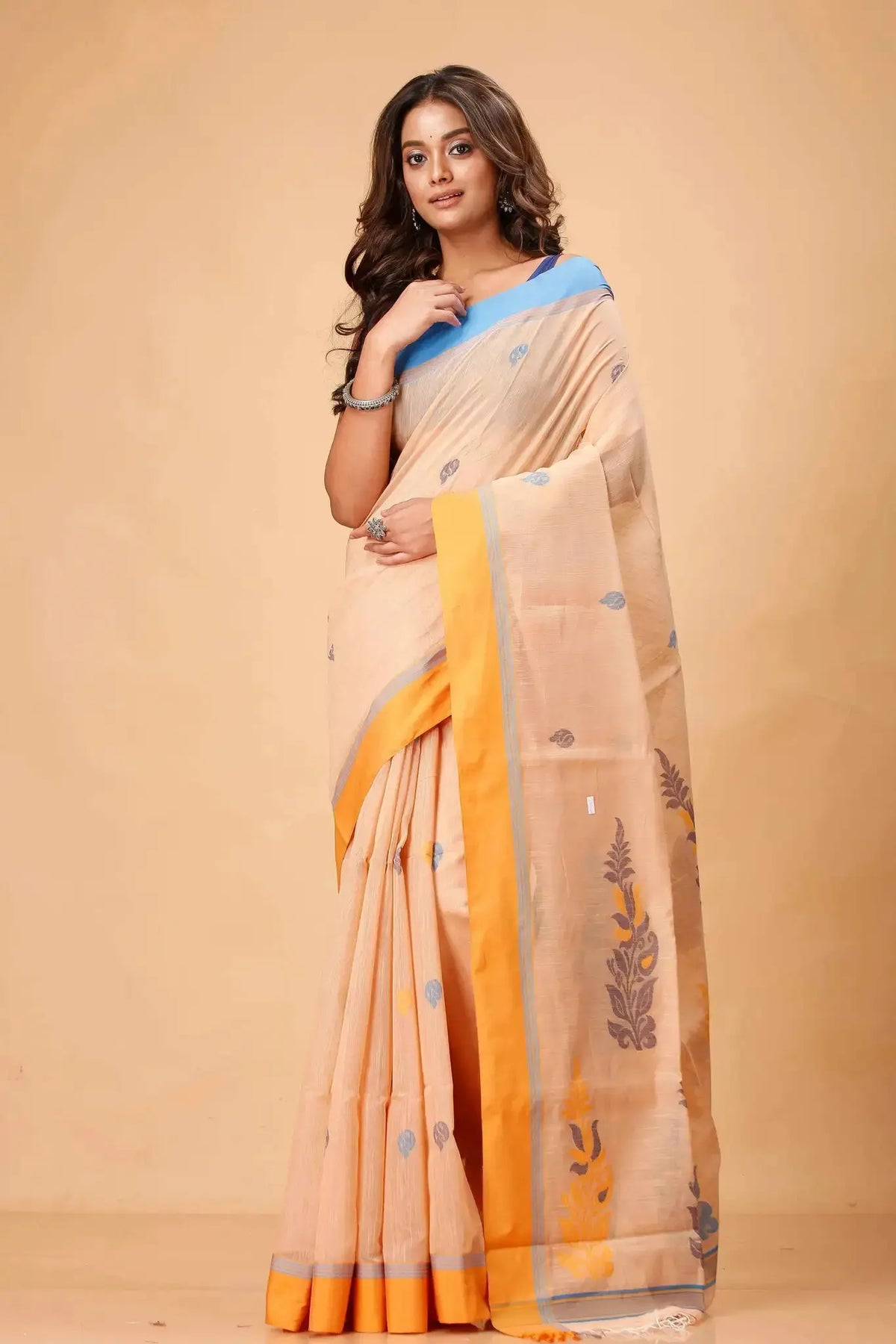

India's rich textile heritage is as vast as it is diverse. Among the many traditional weaves, Bengal Handloom Jamdani and South Indian saree designs hold a special place due to their unique craftsmanship and historical significance. In this article, we will explore the distinct features of these two styles, their cultural implications, and how to incorporate these beautiful designs into modern wardrobes.
The Essence of Bengal Handloom Jamdani
Jamdani is a fine muslin textile that hails from Bengal, known for its intricate and symbolic patterns. This weaving technique, recognized by UNESCO as an Intangible Cultural Heritage of Humanity, dates back to ancient times. Traditionally made from 100% cotton, Jamdani sarees are celebrated for their lightness and breathability, qualities that make them ideal for the tropical climate of India.
Features of Jamdani Sarees

- Intricate Patterns: The hallmark of a Jamdani saree is its elaborate and symmetrical patterns, often crafted with floral and geometric motifs. Each saree is a work of art, taking weeks to months to weave.
- Material: Authentic Jamdani sarees are woven from fine cotton. For those interested in experiencing this luxurious texture, the Rose Red- Bengal Handloom Cotton Tant Saree offers a taste of traditional elegance with a lightweight and breathable design.
- Color Palette: The traditional palette is subtle, often using whites and pastels, but modern renditions may include bolder hues.
- Craftsmanship: The process of creating a Jamdani saree is labor-intensive, involving meticulous efforts by skilled artisans who rely on their masterful weaving techniques.
Exploring Traditional South Indian Sarees
South Indian sarees, on the other hand, are known for their vibrant colors, luxurious fabrics, and exquisite designs that often feature temple motifs and nature-inspired patterns. Crafted from materials like cotton and silk, these sarees are integral to Indian culture and symbolize the rich heritage of regions such as Tamil Nadu, Karnataka, and Andhra Pradesh.
Characteristics of South Indian Sarees

- Material Diversity: South Indian sarees are often woven from both silk and cotton. Special mention goes to the 100% cotton varieties, such as the Peach Beige Manipuri Cotton Saree with Mustard Yellow Border & Blue Floral Woven Motifs, which offers an elegant fusion of tradition and style.
- Vibrant Colors: These sarees showcase a bold color spectrum, utilizing deep reds, greens, oranges, and golds that mirror the region's love for vivid hues.
- Design Elements: Traditional motifs such as elephants, peacocks, and temple borders give these sarees a distinct charm and help perpetuate centuries-old stories.
- Cultural Significance: South Indian sarees are not just garments but are woven with rituals and histories, often given as gifts during important life ceremonies.
Comparing the Weaves: Bengal vs. South India
Cultural Impact
- Jamdani: An emblem of Bengal's artistic expression, it's more than just attire—it's a canvas showcasing cultural dialogue.
- South Indian Saree: Embodying grandeur and festivity, South Indian styles reflect the region's vibrant cultural festivities and spiritual essence.
Fabric and Weaving Techniques
- Jamdani: Utilizes an intricate supplementary weft technique; this painstaking process differentiates each piece with unique detail.
- South Indian Saree: Often incorporates sophisticated power-loom techniques alongside hand-woven methods, ensuring each piece blends tradition with modernity.
Incorporating Traditional Designs into Modern Fashion

With the ever-evolving world of fashion, incorporating traditional weaves into contemporary styles has gained momentum. Here's how you can embrace these beautiful sarees:
- Occasional Wear: Opt for sarees with rich patterns like the Golden- Bengal Handloom Traditional Tant Cotton Saree for formal occasions to make a statement.
- Casual Elegance: Simplicity meets elegance with lightweight varieties for everyday wear. A Grey Manipuri Cotton Saree With Forest Green Border Woven Pallu can elegantly upgrade casual gatherings.
- Modern Pairing: Pair traditional sarees with contemporary blouses to create stylishly juxtaposed outfits. An Elegant Black & Green Manipuri Cotton Saree With Blue & Mustard Woven Border can be your go-to for a modern twist on a classic look.
Conclusion
Whether one reveres the airy elegance of Bengal Handloom Jamdani or the spirited allure of South Indian saree designs, each offers a unique window into India's profound textile legacy. These traditional styles not only preserve the cultural heritage but inspire new fashion narratives. Explore more stunning saree options and celebrate the artistry of these timeless weaves at Grivana.
Incorporating these graceful designs into modern fashion creates an opportunity to pay homage to tradition while embracing the beauty of cultural diversity. Delve into the past, and wear your history with pride.