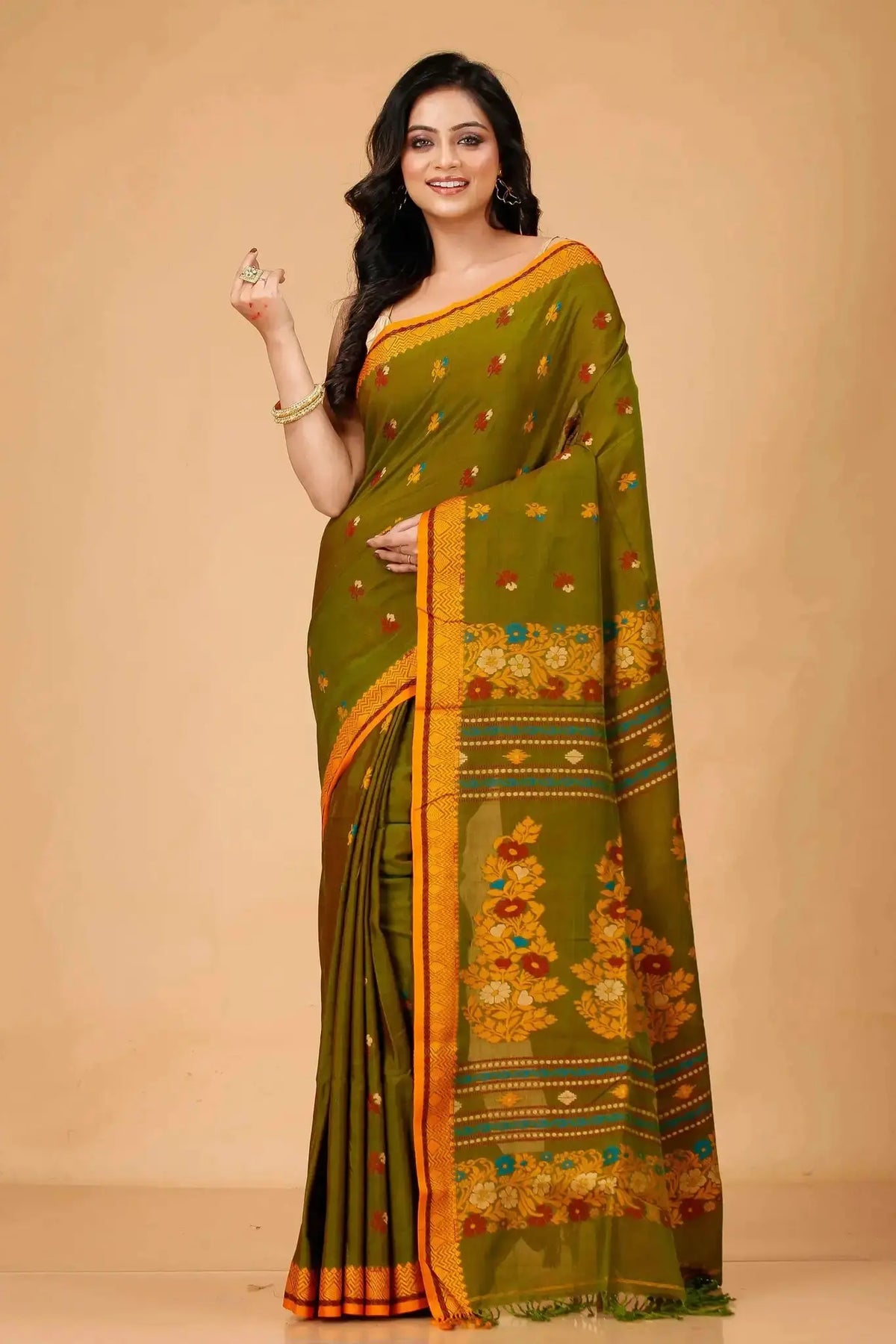
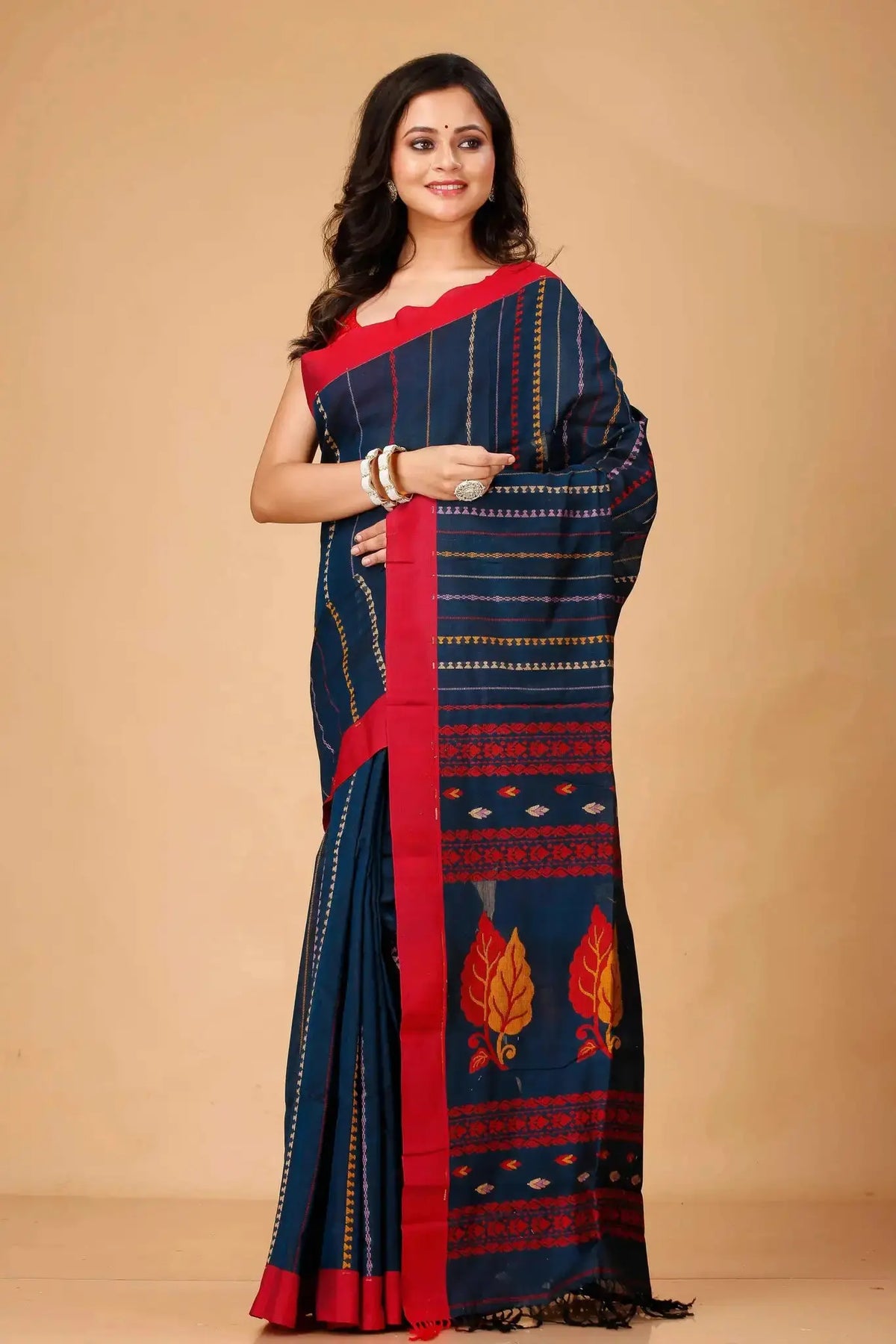
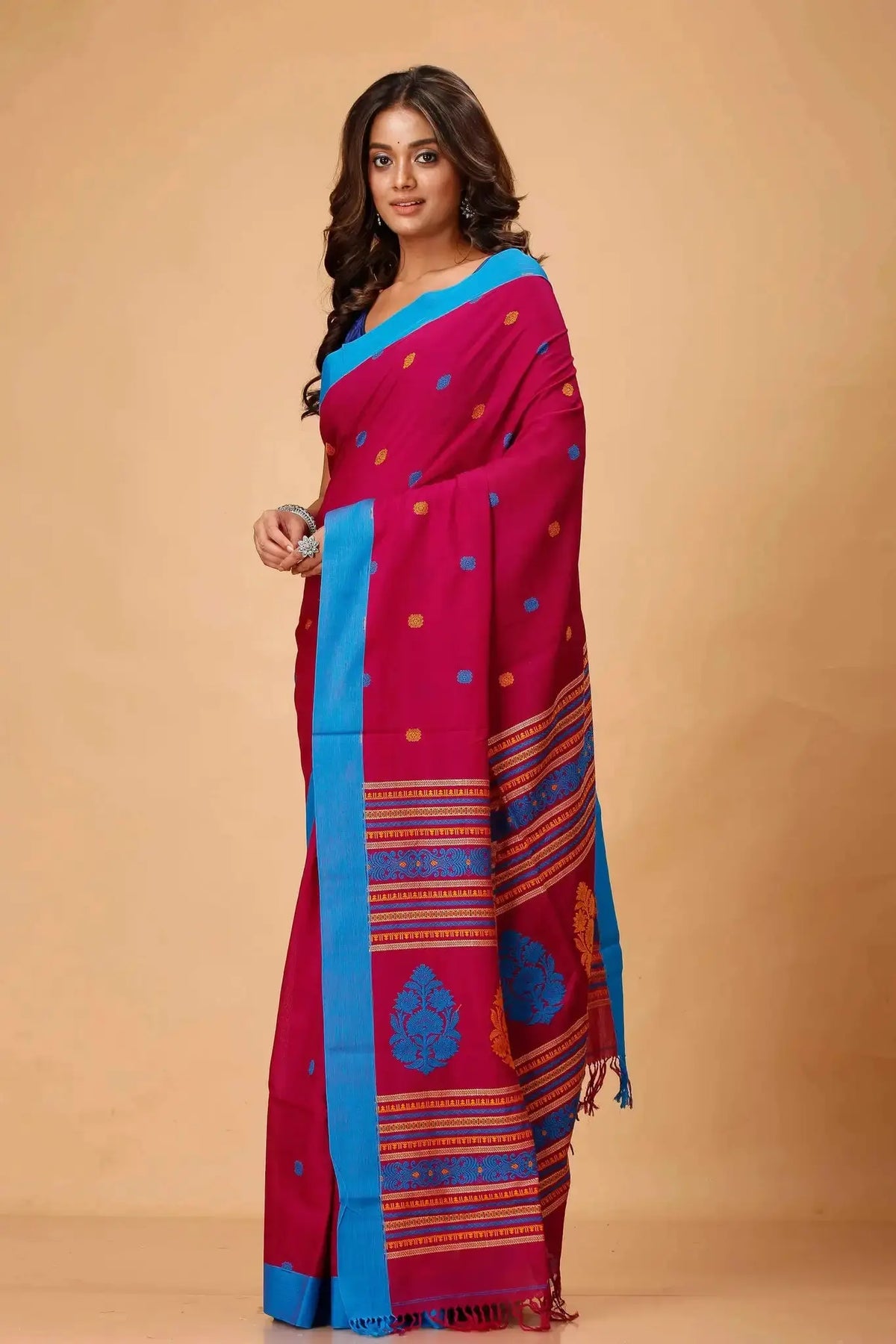
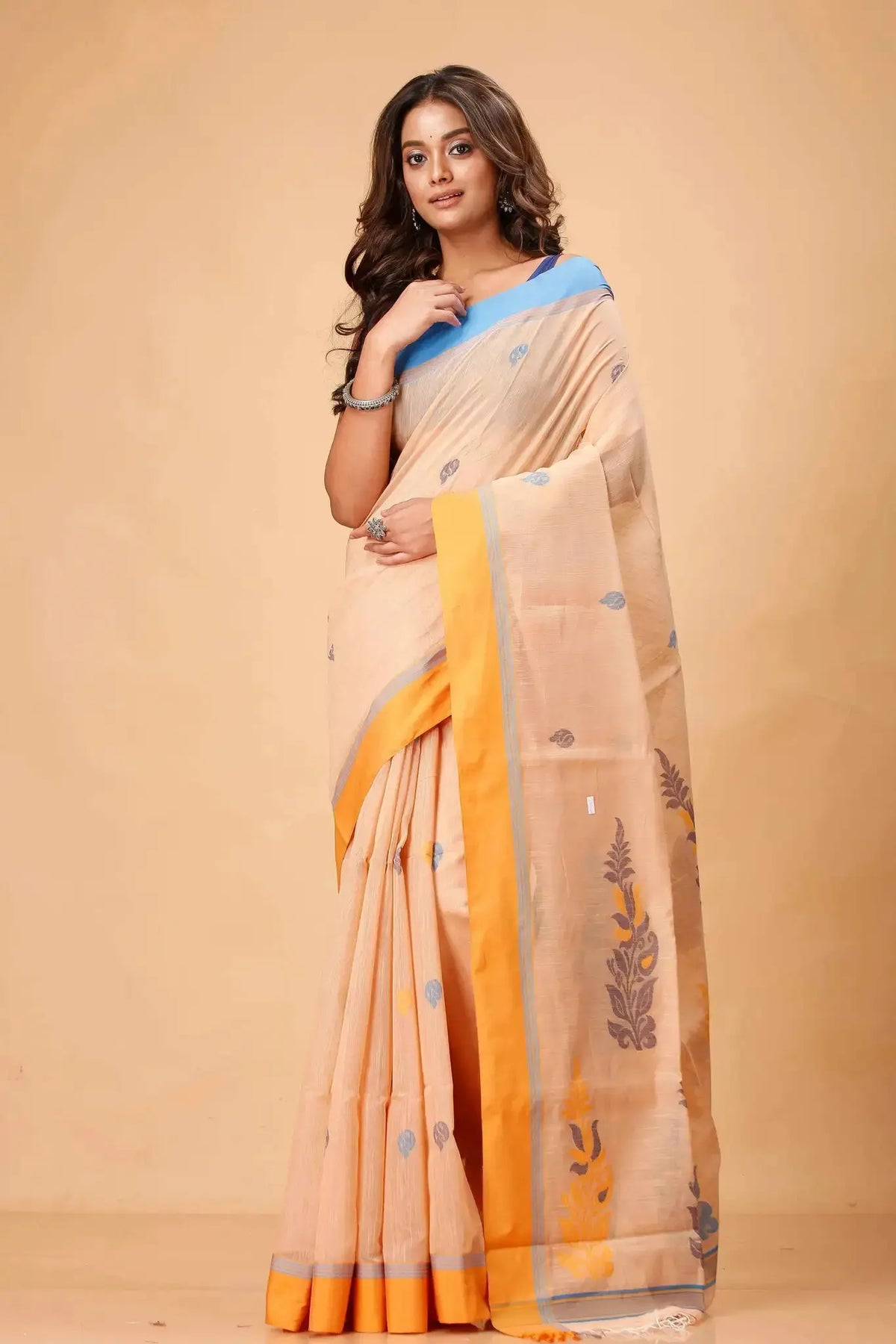

Updated on: March 25, 2026
Ethnic wear cotton sarees represent a timeless intersection of tradition, comfort, and elegance. These versatile garments blend cultural heritage with modern sensibilities, making them essential pieces for any wardrobe. Whether worn for special occasions, festivals, or everyday celebrations, cotton sarees offer breathability, durability, and authentic aesthetic appeal. Discover why traditional cotton sarees continue to dominate Indian fashion and how to select the perfect piece for your style.
Table of Contents
- Personal Experience with Ethnic Cotton Sarees
- Key Advantages of Traditional Cotton Sarees
- Quick Tips for Choosing and Wearing Cotton Sarees
- Summary and Next Steps
- Frequently Asked Questions
- About the Author
Introduction: Understanding the Timeless Appeal of Cotton Sarees
The ethnic wear cotton saree remains one of the most celebrated garments in Indian fashion. Unlike synthetic alternatives, cotton sarees provide exceptional comfort while maintaining the elegance expected from traditional Indian attire. These handwoven or mechanically crafted pieces have graced generations of women, serving as symbols of cultural pride and personal style. The fabric breathes naturally, adapts to various climates, and develops a softer texture with each wash, making it an investment in lasting quality. Whether you are exploring Indian fashion for the first time or expanding an existing collection, understanding the qualities of cotton sarees is essential to making informed choices.
Personal Experience with Ethnic Cotton Sarees
The journey of discovering the perfect cotton saree often begins with a simple occasion. Many women remember attending a family gathering, wedding, or festival and observing how effortlessly an expertly chosen saree transformed someone's presence. The way traditional weavers craft these garments using time-honored techniques speaks volumes about dedication to excellence. One particularly memorable experience involves visiting a weaving community and witnessing artisans at their looms, creating intricate patterns thread by thread. The conversations with these craftspeople revealed how each design carries stories, regional significance, and cultural meaning. From the bengal handloom traditions to Manipuri cotton variants, each regional style reflects unique artistic expressions. These personal interactions transformed the simple act of purchasing a garment into understanding a living heritage. This experience reinforced why quality cotton sarees deserve respect and appreciation, and why selecting them thoughtfully matters.

Traditional handloom looms showcasing intricate weaving patterns and cultural textile artistry heritage.
Key Advantages of Traditional Cotton Sarees
Cotton sarees offer numerous benefits that extend beyond mere aesthetics. Understanding these advantages helps explain their enduring popularity across Indian society.
- Natural Breathability: Cotton fibers allow air circulation, keeping the wearer cool during warm weather and comfortable throughout the day. This natural ventilation makes cotton an ideal choice for tropical and subtropical climates.
- Hypoallergenic Properties: Unlike synthetic fabrics, pure cotton rarely causes skin irritation or allergic reactions. This makes cotton sarees suitable for individuals with sensitive skin, including children and elderly family members.
- Durability and Longevity: Quality cotton sarees withstand regular washing and wearing without losing their structural integrity. Many families preserve cotton sarees as heirlooms, passing them through generations with careful maintenance.
- Aesthetic Versatility: Cotton sarees complement various skin tones and personal styles. The fabric accepts dyes beautifully, allowing weavers to create vibrant colors and intricate patterns that remain visible and striking.
- Cultural Authenticity: Handwoven cotton sarees, particularly those produced by traditional communities, represent genuine cultural heritage. Wearing these pieces supports artisanal craftsmanship and preserves ancient weaving techniques.
- Easy Maintenance: Cotton sarees are relatively simple to care for compared to delicate silk or embellished alternatives. Machine washing at appropriate temperatures or gentle hand washing keeps them fresh without complicated procedures.
- Affordable Accessibility: Compared to premium silk or heavily embellished alternatives, quality cotton sarees offer excellent value. This affordability makes traditional wear accessible to broader populations without compromising on authenticity.
- Seasonal Adaptability: Cotton sarees work effectively across all seasons. Lighter weaves suit summer months, while thicker cotton varieties provide warmth during cooler weather.

Vibrant color palettes and geometric woven patterns displayed across folded cotton textile surfaces.
Quick Tips for Choosing and Wearing Ethnic Cotton Sarees
- Assess Fabric Weight: Determine whether you prefer lightweight cotton for everyday wear or heavier varieties for special occasions. Different regional styles offer varying densities.
- Examine Weave Quality: Run your fingers across the fabric to evaluate weave tightness. Tighter weaves generally indicate superior durability and longevity.
- Verify Color Fastness: Ask manufacturers about dyeing processes. Natural dyes and quality synthetic dyes maintain color through repeated washing.
- Check Border Details: Authentic sarees feature carefully designed borders using traditional motifs. Examine whether borders are woven or printed, as this affects authenticity and durability.
- Consider Regional Styles: Familiarize yourself with Bengal handloom cotton sarees, Manipuri varieties, and other regional options to understand their unique characteristics.
- Invest in Blouse Pieces: Ensure your saree purchase includes a coordinating blouse piece. This allows tailoring that perfectly complements your selected saree style.
- Practice Draping Techniques: Learn various draping methods appropriate to different occasions. Different styles create distinct impressions suitable for festivals, formal events, or casual gatherings.
- Store Appropriately: Keep cotton sarees in breathable cotton bags rather than plastic. Store in cool, dry environments to prevent moisture damage and mold growth.
- Explore Collections: Browse curated collections featuring traditional cotton handloom sarees to understand available options and regional variations.
- Prioritize Comfort: Always test fabric against your skin before purchasing. Personal comfort is paramount, as you will wear the garment for extended periods.
Summary and Next Steps
Ethnic wear cotton sarees embody centuries of tradition while meeting contemporary lifestyle needs. Their natural properties, cultural significance, and aesthetic appeal make them invaluable additions to any wardrobe celebrating Indian heritage. By understanding quality indicators, regional variations, and proper care methods, you can confidently select pieces that bring joy and elegance to your life.
Taking the next step involves exploring available options that resonate with your personal style and values. Consider examining collections that showcase authentic craftsmanship, such as traditional cotton handloom fancy sarees featuring distinctive regional designs. Invest time in understanding the stories behind specific pieces, the artisans who created them, and how they align with your lifestyle. Whether preparing for celebrations or building an everyday collection, thoughtful selection ensures lasting satisfaction. Finally, share your appreciation for cotton sarees with others, supporting the continuation of these important cultural traditions.
Frequently Asked Questions
What is the primary difference between handwoven and mechanically produced cotton sarees?
Handwoven cotton sarees are created entirely by artisans using traditional looms, resulting in unique textures, subtle pattern variations, and exceptional craftsmanship. Mechanically produced sarees are manufactured using modern equipment, offering consistency and lower prices. Handwoven pieces typically feature superior quality, individual character, and greater durability, justifying their premium pricing. However, both varieties offer authentic cotton benefits and cultural connection when produced respectfully.
How should I care for my cotton saree to ensure longevity?
Proper care significantly extends your saree's lifespan. Hand wash cotton sarees in cool water using mild detergent, or machine wash on gentle cycles with temperature below thirty degrees Celsius. Avoid bleach and fabric softeners that damage cotton fibers. Dry in shade away from direct sunlight, which can fade colors. Iron on medium heat if necessary, using a cotton setting. Store in breathable cotton bags in cool, dry spaces away from direct sunlight and moisture. With proper maintenance, quality cotton sarees remain beautiful for decades.
What makes cotton sarees suitable for different seasons?
Cotton's natural breathability allows it to regulate body temperature effectively. Lightweight cotton sarees work perfectly during summer months, keeping you cool through air circulation. Thicker cotton varieties and layered styles provide warmth during winter without the heaviness of alternative fabrics. Spring and autumn weather calls for medium-weight cotton that adapts comfortably. This versatility eliminates the need to purchase seasonal-specific pieces, making cotton sarees economical for year-round wear.
How do I identify authentic handwoven cotton sarees?
Authentic handwoven sarees display several identifying characteristics. Check for slight variations in patterns, which indicate hand-creation rather than perfect mechanical repetition. Examine the selvage edges, which should appear uneven in handwoven pieces. Ask about the weaver's origin and traditional techniques used. Reputable sellers provide detailed information about production methods and artisan communities. Quality handwoven sarees may cost more than mass-produced alternatives, but the craftsmanship, durability, and cultural value justify the investment.
What regional cotton saree styles should I explore?
India hosts numerous regional cotton saree traditions. Bengal handloom sarees feature fine weaves and traditional motifs. Manipuri cotton sarees display distinctive border designs and weaving patterns. Bellu cotton sarees showcase elaborate fancy weaves. Each region's style reflects local aesthetics, available materials, and cultural preferences. Exploring different regional varieties helps you discover personal preferences while appreciating the diversity of Indian textile traditions. Consider starting with pure cotton bengal handloom Indian sarees to understand this significant tradition.
Are cotton sarees appropriate for formal occasions?
Cotton sarees work beautifully for formal occasions when selected thoughtfully. Choose sarees with intricate weaves, sophisticated color combinations, and elegant border designs. Pair them with quality blouses featuring detailed embroidery or fine tailoring. Accessorize appropriately with traditional jewelry and makeup that complements your saree. Many formal events and cultural celebrations specifically honor cotton sarees as the preferred choice, recognizing their elegance and authenticity. The key lies in selecting pieces that project sophistication while maintaining cotton's inherent charm.
How do I select the right color and pattern for my skin tone?
Cotton sarees come in countless colors and patterns, allowing personalization based on individual preferences. Warm skin tones typically shine in earthy colors, golden hues, and warm reds. Cool skin tones complement jewel tones, blues, and cooler colors. However, personal preference should ultimately guide your choice. Try draping samples of different colors against your skin to observe how they interact with your complexion. Remember that proper lighting, makeup, and accessories significantly influence how colors appear on you.
About the Author
This article was created by the Grivana content team, specialists in Indian textile heritage and ethnic wear fashion. Our writers possess extensive knowledge of traditional weaving communities, cotton saree varieties, and contemporary styling approaches. With years of experience in the Indian fashion industry, we remain committed to educating readers about cultural garments while supporting artisan communities. We believe that understanding the stories behind traditional wear deepens appreciation and encourages thoughtful consumption. We invite you to explore our collections and discover the perfect cotton saree that celebrates your unique style while honoring textile traditions.