
Updated on: 18 March 2026
Bengal cotton traditional motifs represent a rich heritage of Indian textile artistry, blending centuries-old weaving techniques with intricate design patterns. These distinctive decorative elements showcase the cultural identity and craftsmanship of Bengal's handloom communities. Understanding their significance helps consumers appreciate authentic handwoven fabrics and supports the preservation of traditional textile arts. This guide explores the origins, patterns, and contemporary relevance of Bengal cotton traditional motifs in modern fashion and home décor.
Table of Contents
- Understanding Bengal Cotton Traditional Motifs
- Did You Know
- Historical Origins and Cultural Significance
- Common Design Patterns Explained
- Expert Tips for Selecting Authentic Pieces
- Personal Experience with Handloom Textiles
- Modern Applications and Fashion Trends
- Summary and Key Takeaways
- Frequently Asked Questions
- About the Author
Understanding Bengal Cotton Traditional Motifs
Bengal cotton traditional motifs form the foundation of one of India's most celebrated textile traditions. These decorative patterns are not merely aesthetic additions but represent centuries of cultural expression, spiritual beliefs, and artistic innovation passed down through generations of skilled artisans. The motifs found on Bengal handlooms tell stories of rural life, natural elements, and the deep connection between communities and their craft.
The term Bengal cotton refers to high-quality cotton fabrics produced in the Bengal region, particularly in areas like Nadia, Birbhum, and other weaving centers. Traditional motifs encompass geometric patterns, floral designs, symbolic imagery, and abstract representations that reflect the local heritage and artistic sensibilities of the weavers. Each motif carries meaning and purpose, whether for ceremonial occasions, daily wear, or decorative purposes in households.
The significance of these textiles extends beyond personal use. They represent an important economic activity for thousands of artisan families, provide cultural identity to communities, and attract global appreciation for Indian handcraft excellence. By understanding and appreciating these traditional patterns, consumers contribute directly to the preservation of an invaluable cultural resource and support the livelihoods of dedicated artisans.

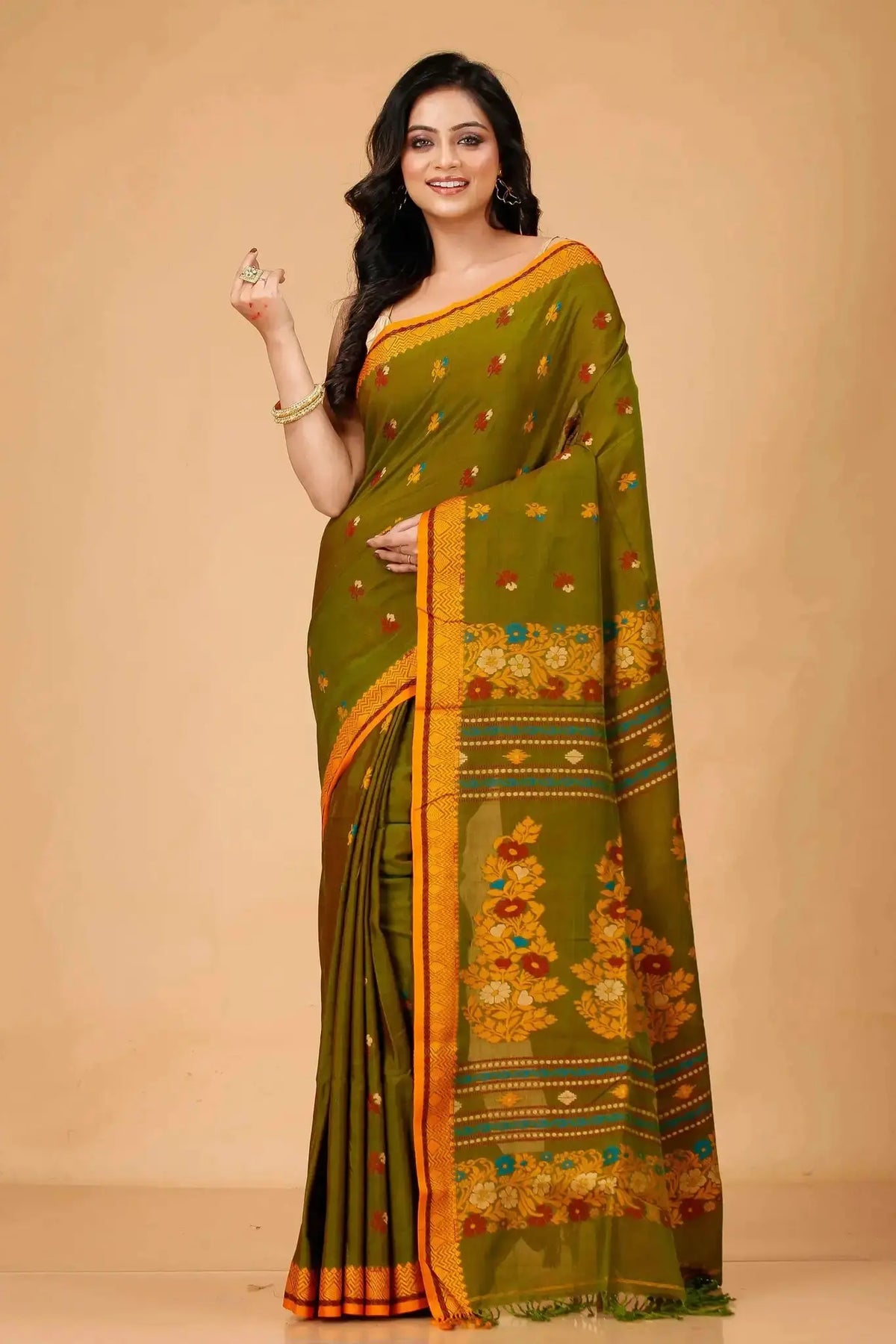
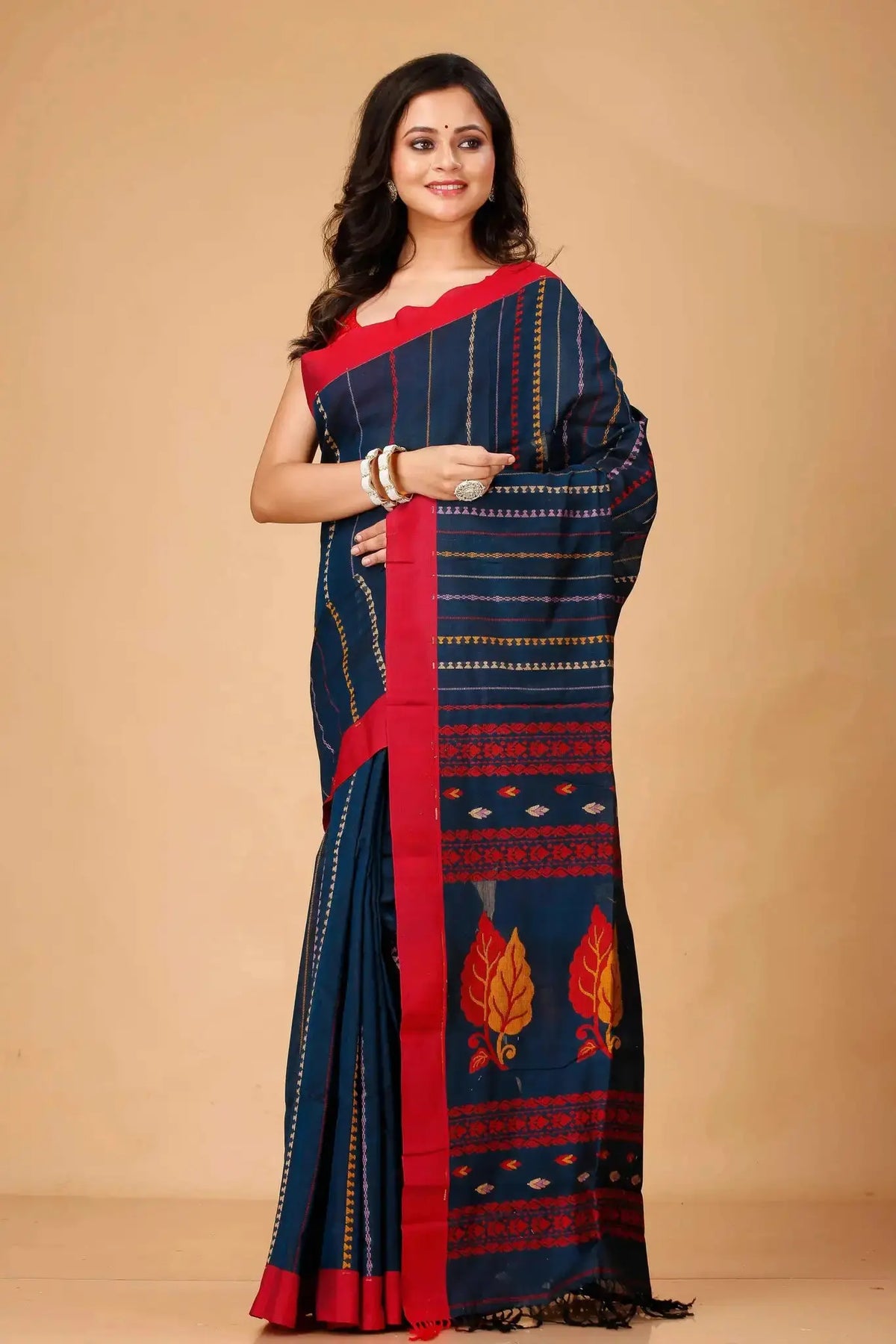
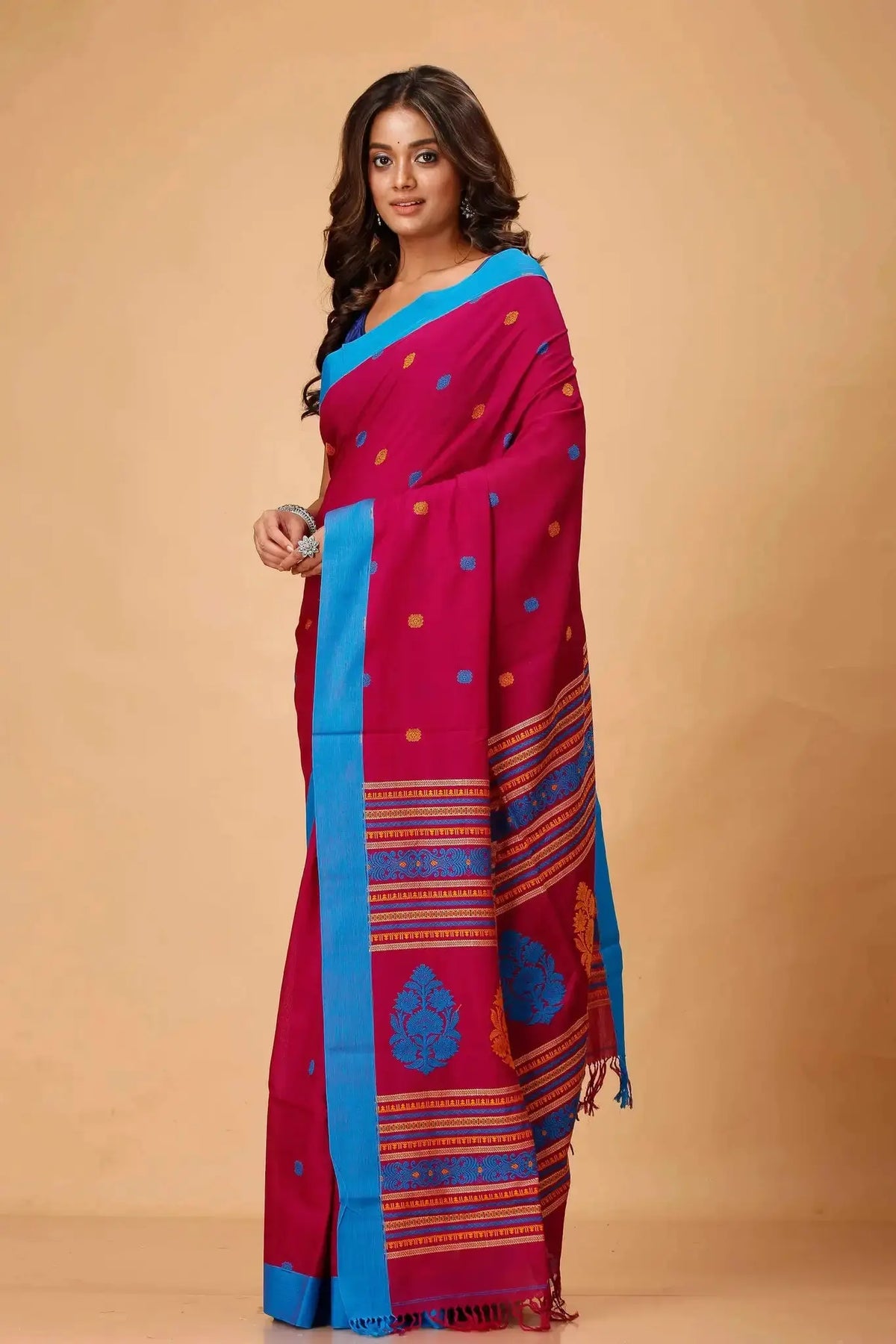
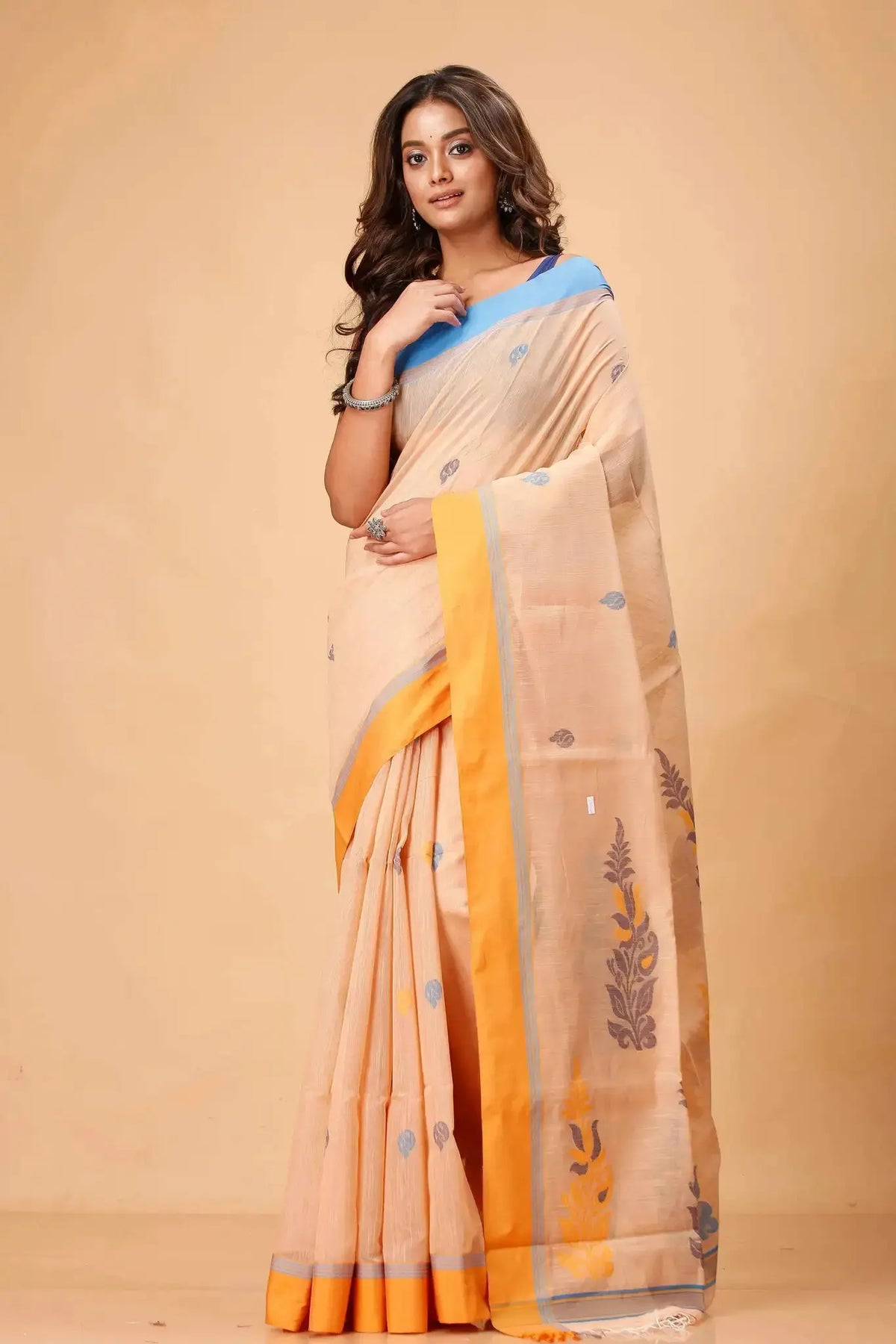
Traditional geometric and floral patterns woven into natural cotton fabric with intricate detail.
Did You Know
- Bengal handlooms have been recognized as Geographical Indication products, protecting their authenticity and origin.
- The Jamdani technique, a specialized form of patterning, requires artisans to hand-insert supplementary threads while the loom operates, making each piece unique.
- Traditional Bengal cotton textiles were historically exported to Europe and Asia, establishing India's reputation as a premium textile producer.
- Certain motifs are specifically designed for auspicious occasions and carry symbolic meanings related to prosperity, protection, and fertility.
- A single handwoven saree can take between three to forty days to complete, depending on the complexity of the design.
- The natural dyes traditionally used in Bengal textiles come from plants, minerals, and insects, creating sustainable and eco-friendly fabrics.
Historical Origins and Cultural Significance
The history of Bengal cotton textiles stretches back several centuries, with evidence of organized weaving communities dating to medieval times. Bengal emerged as a prominent textile production center during the Mughal period, and this prominence continued through the British colonial era. The region's abundant cotton cultivation, skilled labor force, and access to trade routes contributed significantly to its dominance in the textile industry.
Bengal cotton traditional motifs evolved from a combination of influences including local folk traditions, Hindu and Islamic artistic traditions, and interactions with other weaving communities across India. The patterns developed organically, adapting to local preferences, available materials, and the spiritual and cultural values of the communities creating them. Over centuries, these designs became standardized yet flexible, allowing artisans to innovate while maintaining traditional essence.
The cultural significance of these motifs is profound. Many patterns symbolize auspiciousness and are incorporated into garments worn during weddings, festivals, and important life events. Other designs reference agricultural cycles, celestial bodies, and mythological narratives, embedding layers of meaning within the fabric itself. For the communities producing these textiles, the motifs represent inherited knowledge, family legacy, and connection to ancestral traditions.
Common Design Patterns Explained
Bengal handlooms feature several recurring design patterns that have become iconic representations of the region's textile heritage. Understanding these patterns helps appreciate the artistry involved and recognize authentic traditional pieces.
The Tant pattern represents one of the most celebrated designs, featuring delicate geometric formations combined with subtle color variations. These patterns often incorporate diamond shapes, stripes, and tessellating designs that create visual depth and movement across the fabric surface. The Tant tradition showcases the weaver's precision and mathematical understanding of pattern construction.
Jamdani patterns are distinguished by their supplementary weft technique, where additional yarn is hand-inserted to create decorative motifs. These designs often feature floral clusters, botanical imagery, and intricate lattice patterns. Each Jamdani piece is unique because the artisan hand-places threads, making machine reproduction impossible. This technique demands extraordinary skill and concentration from experienced weavers.
Baluchari designs tell narrative stories through their patterns, often depicting mythological scenes or historical events across the fabric. These elaborate motifs typically appear on the pallu or border sections of sarees and serve as visual narratives meant to be admired and discussed. The complexity of Baluchari work represents the highest achievement in Bengal weaving artistry.

Close-up detail of hand-woven supplementary threads creating dimensional floral clustering patterns.
Expert Tips for Selecting Authentic Pieces
- Examine the weave closely using natural light, checking for consistency and handmade irregularities that distinguish authentic pieces from machine-made imitations.
- Feel the fabric texture and note how it drapes naturally, as genuine handloom cotton develops a specific weight and fluidity that factory-produced textiles cannot replicate.
- Verify Geographical Indication tags and certification marks, which authenticate products from recognized weaving clusters in Bengal regions.
- Look for selvages and weaving marks that indicate hand-at-the-loom production rather than industrial manufacturing processes.
- Research the weaver or cooperative background when purchasing directly, ensuring support reaches actual artisan communities rather than intermediaries.
- Understand the pricing structure, as authentic handwoven pieces command higher prices reflecting the labor intensity and materials involved in their creation.
- Inspect dye consistency and color variations, which should appear naturally gradated rather than uniformly perfect, indicating traditional dyeing methods.
- Check for a slight hand-feel imperfection in pattern alignment, which proves the work was done by human hands rather than computerized machinery.
Personal Experience with Handloom Textiles
When first encountering authentic Bengal cotton traditional motifs in person, the experience proved transformative. A visit to a weaving center in Nadia revealed the meticulous process behind these celebrated textiles. Observing artisans work at wooden looms, their hands moving in practiced rhythms, fingers precisely placing supplementary threads to create Jamdani patterns, conveyed a profound appreciation for the skill involved. The clicking sounds of the loom, the concentration on each weaver's face, and the gradual emergence of intricate patterns from plain cotton warp created an unforgettable impression.
Handling a freshly completed saree still bearing the weaver's hand warmth revealed details impossible to appreciate in photographs. The slight color variations, the irregular but perfect pattern spacing, and the gentle weight of the fabric conveyed authenticity in ways no digital image could capture. Conversing with weavers about their work revealed how motif choices connected to family traditions, seasonal celebrations, and personal artistic preferences. This experience solidified the understanding that these textiles represent genuine artistic expression rather than mere commercial products.
Modern Applications and Fashion Trends
Bengal cotton traditional motifs have experienced remarkable resurgence in contemporary fashion, appealing to both heritage-conscious consumers and modern designers seeking authentic cultural elements. Contemporary fashion designers increasingly incorporate traditional Bengal patterns into contemporary silhouettes, creating fusion pieces that honor heritage while meeting modern sensibilities. These adaptations introduce traditional motifs to younger audiences who might not otherwise encounter them.
Home décor applications have expanded significantly, with traditional Bengal cotton textiles finding new purposes as wall hangings, cushion covers, table linens, and upholstery fabrics. Interior designers appreciate how these textiles add authentic cultural elements while providing quality and durability superior to mass-produced alternatives. The sustainable nature of handloom production appeals to environmentally conscious consumers seeking alternatives to synthetic home furnishings.
The contemporary market for Bengal handlooms has expanded globally, with international appreciation driving demand and creating economic opportunities for artisan communities. Fashion bloggers, influencers, and style-conscious consumers actively promote authentic handwoven textiles, generating awareness that strengthens market positions for traditional producers. This renewed interest has encouraged younger family members to maintain weaving traditions, preventing skills from disappearing with retiring artisans.
Summary and Key Takeaways
Bengal cotton traditional motifs represent far more than decorative patterns on fabric. They embody centuries of cultural heritage, showcase extraordinary artisanal skill, and connect wearers to meaningful historical narratives and artistic traditions. These textiles demonstrate that authentic quality, cultural significance, and commercial viability can coexist, creating products that satisfy aesthetic desires while supporting cultural preservation and artisan livelihoods.
Key takeaways include recognizing that handwoven textiles require substantial time investment and specialized expertise, understanding the cultural meanings embedded within traditional patterns, and appreciating how purchasing decisions directly impact artisan communities. By choosing authentic Bengal cotton traditional products over machine-made alternatives, consumers become active participants in cultural preservation while acquiring garments and home items of superior quality and lasting value. Supporting these traditions ensures that centuries-old skills and artistic expressions continue enriching global culture for future generations.
Frequently Asked Questions
What makes Bengal cotton textiles different from other Indian handlooms?
Bengal cotton textiles distinguish themselves through specific weaving techniques, particular design traditions, and the historical development of particular artisan communities in Bengal regions. The Jamdani and Baluchari techniques are uniquely associated with Bengal weaving heritage. Additionally, Bengal handlooms hold recognized Geographical Indication status, protecting their authenticity and ensuring products labeled as Bengal handlooms meet specific quality and origin standards that differentiate them from textiles produced in other regions.
How can I care for authentic Bengal cotton garments to ensure longevity?
Authentic Bengal cotton pieces require gentle handling to preserve their quality. Hand washing in cool water with mild detergent prevents damage to both fibers and dyes. Air drying away from direct sunlight maintains color vibrancy. Storing in breathable cotton bags rather than plastic prevents moisture accumulation. Avoid excessive wringing or machine washing, as the stress can damage hand-inserted supplementary threads in Jamdani designs. With proper care, these textiles can last generations, often improving with age.
Are Bengal cotton traditional motifs suitable for everyday wear or only special occasions?
While certain intricate designs like elaborate Baluchari patterns are traditionally reserved for auspicious occasions and celebrations, many Bengal cotton pieces serve well for everyday wear. The Tant weaves and simpler Jamdani patterns provide elegant yet practical options for daily use. The durability of properly constructed handlooms means they withstand regular wearing, and natural fiber breathability makes them comfortable for daily activities. This versatility makes Bengal handloom garments valuable investments suitable for varied wardrobe applications.
What is the difference between Jamdani and other Bengal weaving techniques?
Jamdani distinguishes itself through its supplementary weft technique, where the weaver hand-inserts additional yarn to create patterns while the loom operates. This method contrasts with techniques like Tant, where patterns are created through the basic weave structure itself. Jamdani requires an additional artisan skill layer, as patterns must be planned and executed with precision while managing the primary weaving simultaneously. This complexity makes Jamdani among the most valued and expensive Bengal textiles, with each piece genuinely unique due to manual pattern placement.
How do I identify machine-made imitations of Bengal cotton traditional motifs?
Machine-made imitations typically display perfect uniformity in pattern spacing and color consistency, lacking the natural variations characteristic of handwork. Examining selvages reveals manufacturing method, as handlooms create distinct hand-finished edges whereas machine production creates uniform cut edges. Price point serves as an indicator, as authentic handloom pieces reflect labor costs of skilled artisans working for days or weeks. Certification marks and Geographical Indication tags provide official authentication. Requesting information about the weaver or production cooperative helps verify authenticity, as legitimate sellers maintain transparent supply chains connecting directly to artisan communities.
What economic impact do handloom purchases have on weaver communities?
Purchasing authentic Bengal cotton textiles directly supports artisan families economically, providing stable income that encourages skill transmission to younger generations. Many weaving communities face economic pressure from industrial competition and shifting consumer preferences, making sustained consumer interest crucial for their survival. When consumers purchase directly from cooperatives or verified producers, larger percentages of revenue reach actual weavers. Supporting these communities preserves employment, maintains traditional skills, and strengthens the social fabric of vulnerable artisan populations across Bengal regions.
Can Bengal cotton traditional motifs be customized for specific preferences?
Many Bengal weavers accept custom orders for garments or home items featuring traditional motifs adapted to customer preferences regarding color, pattern complexity, or specific design elements. Custom work typically requires extended production timelines and may command premium pricing reflecting the artisan's time spent on personalized creation. Working directly with weaver communities or established cooperatives that facilitate custom orders ensures genuine handwork rather than printed imitations. This customization option allows consumers to create unique pieces that honor traditional techniques while meeting individual aesthetic preferences.
About the Author
Sarah Merchant is a textile historian and cultural heritage consultant specializing in Indian handloom traditions, particularly Bengal cotton textiles and traditional weaving techniques. With over eight years of experience researching and documenting artisan communities across India, Sarah has developed deep expertise in the cultural significance and contemporary relevance of traditional textile arts. Her work with Grivana combines passion for cultural preservation with commitment to connecting conscious consumers with authentic handcrafted textiles that support artisan livelihoods. Sarah believes that understanding the stories behind handwoven textiles enriches both personal wardrobes and global cultural appreciation, and she remains dedicated to educating consumers about the extraordinary value of supporting traditional crafts.