
The art of weaving sarees in India is a testament to the country's rich cultural heritage. The South Indian saree, known for its exquisite beauty and elegance, has carved a significant niche in the world of traditional Indian attire. Equally remarkable is the Bengal handloom tradition, celebrated for its intricate patterns and exquisite craftsmanship. This article delves into the frequently asked questions about South Indian sarees and explores how Bengal handloom techniques, particularly the Jamdani technique, have found a harmonious integration. Let's unfold the marvels of these textiles and how they celebrate India's diversity in fabrics.
What Defines a South Indian Saree?
South Indian sarees are synonymous with their luxurious silk textures, vibrant colors, and intricate designs. They stand out for their unique patterns and elaborate pallu (the decorative end of the saree), often featuring motifs that are symbolic to the region. These sarees are traditionally woven in states like Tamil Nadu, Kerala, Karnataka, and Andhra Pradesh. Kanjeevaram, Mysore silk, and Kerala Kasavu are some prominent types, each echoing the regional influences and weaving practices.
What Makes Bengal Handloom Unique?
Bengal handloom is characterized by its lightweight texture, breathable fabric, and elaborate motifs. The Jamdani technique, an integral part of Bengal handloom, involves an intricately patterned weaving style that originates from the region of Bengal. This age-old method uses a discontinuous weft technique, creating beautiful patterns on the fabric that appear to float on the surface, lending a touch of elegance and sophistication.
Integration of South Indian Sarees with Bengal Handloom Techniques
The integration of South Indian saree artistry with Bengal handloom techniques, especially Jamdani, is a fascinating facet of contemporary Indian fashion. Such integrations have paved the way for innovative designs that blend traditional aesthetics with modern styles. Let’s explore some common questions about this fusion.
How Do These Integrations Enhance Traditional Wear?
By combining the rich and vibrant textures of South Indian sarees with the delicate and detailed Jamdani patterns, the resulting sarees become versatile pieces of art. These fabrics not only represent a fusion of two rich traditions but also offer a global appeal that bridges diverse cultural heritages. The use of 100% cotton in Bengal weaves, combined with the rich silks of the South, provides an intricate balance of elegance and comfort.
Are There Popular Products Featuring These Integrations?

Absolutely! Online platforms like Grivana showcase a marvelous collection of such blended attire. Here are a few products that exemplify the beautiful fusion of South Indian and Bengal handloom techniques:
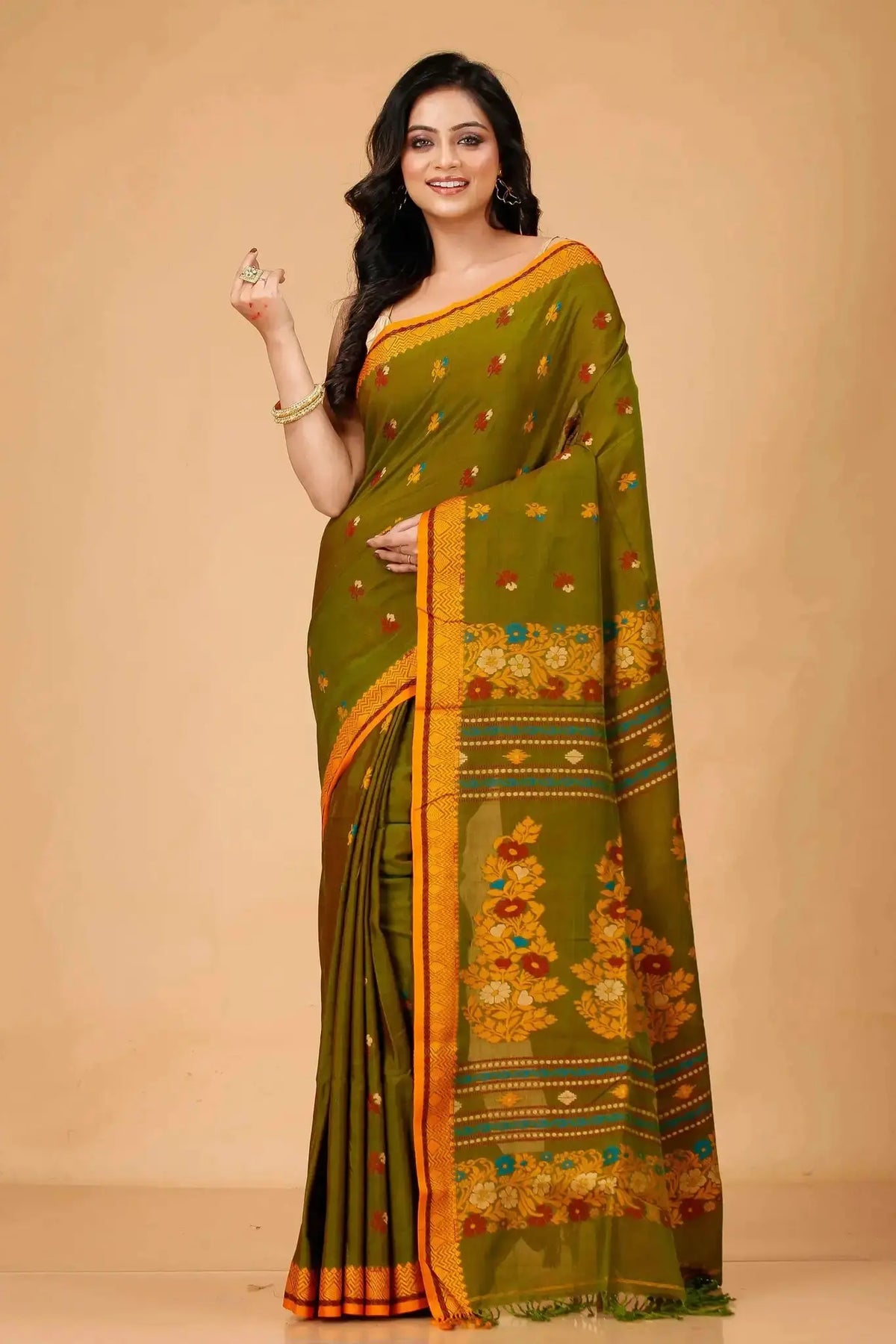
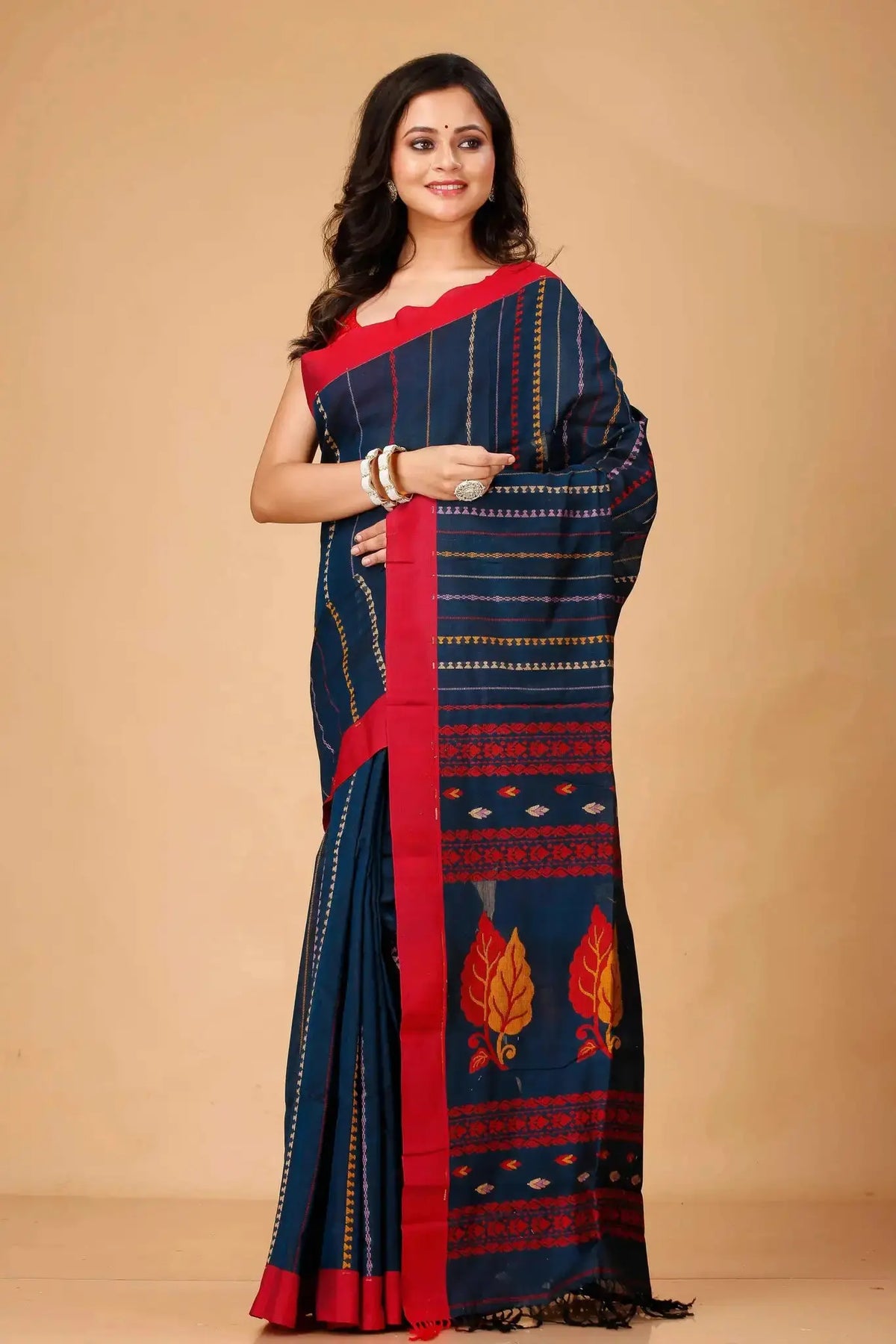
- Chocolate Brown - Bengal Handloom Traditional Cotton Saree: A delightful piece crafted with rich Bengal handloom techniques for a traditional yet elegant look.
- Cadillac Pink- Handwoven Bengal Handloom Soft Cotton Jamdani Saree: This saree combines the softness and exquisite Jamdani handiwork with the vibrant aesthetic traditionally seen in South Indian sarees.
What are the Fabric Options Available?
Both South Indian sarees and Bengal handloom sarees offer intricate diversities in fabric. While South Indian attire largely uses silk and cotton, Bengal handloom sarees offer a rich spectrum of 100% cotton weaves. Such fabric choices play a crucial role in the comfort and drapability of these sarees.
How Does Jamdani Add Value to Southern Weaves?
Jamdani, with its legacy of intricate detailed patterns, adds a new dimension to Southern weaves. This traditional craft, often done on finer threads of cotton, offers an array of artistic designs including floral, paisley, or geometric patterns that elevate the aesthetic of the sarees. The blend of South Indian pallu work with Jamdani’s finesse results in a unique piece of attire that is cherished by many.
What Colors and Patterns are Predominant in These Sarees?

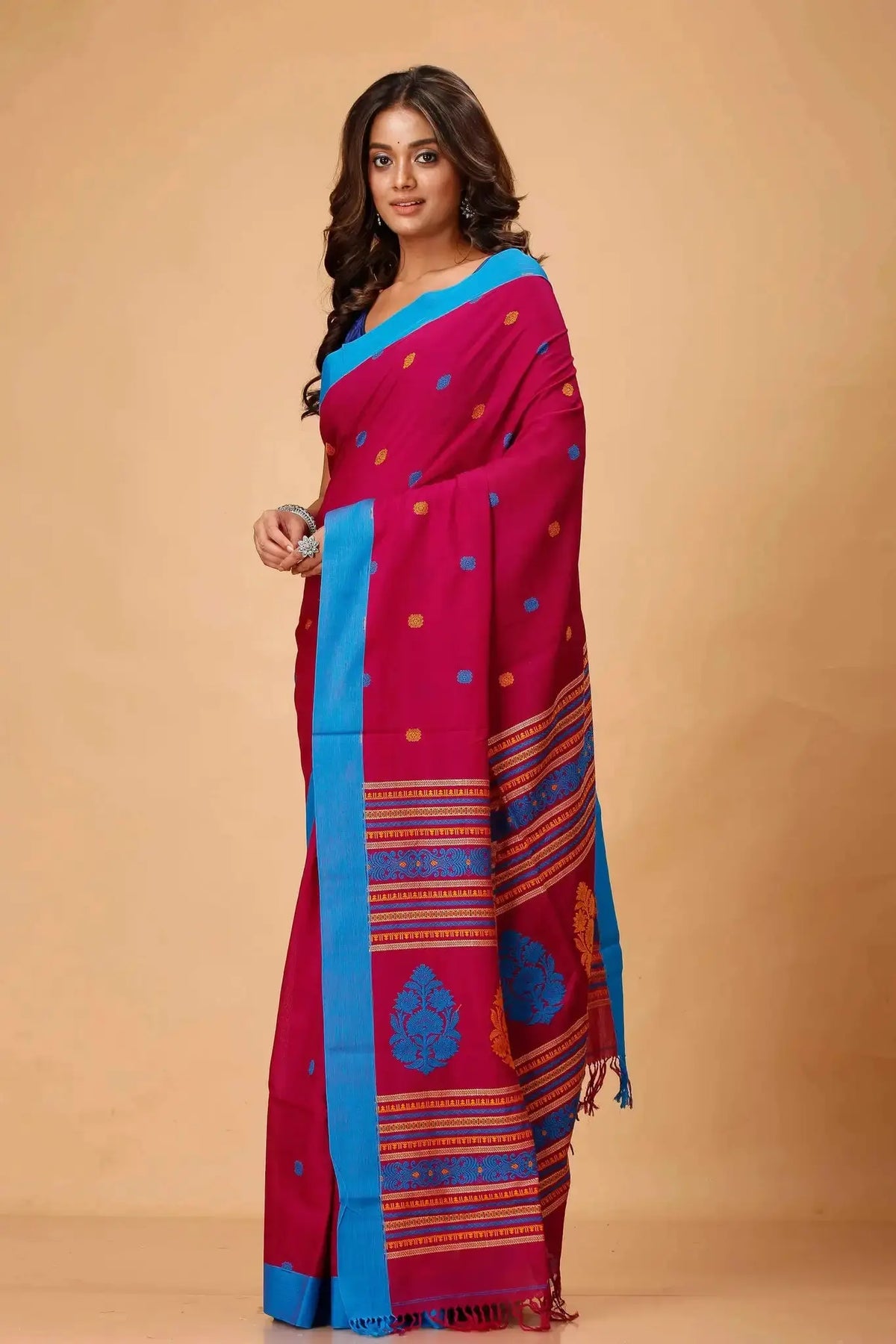
South Indian sarees are known for their vivid color palette including reds, blues, yellows, and greens paired with bold gold or silver zari borders. With Bengal Jamdani integration, the focus on contrasting color tones coupled with intricate patterns like florals, vines, or abstract shapes becomes a highlight. Products like the Pink & Blue Border Woven Pallu Manipuri Cotton Saree showcase the harmonious juxtaposition of color and intricate borders inspired by both cultures.
Are These Sarees Suitable for All Occasions?

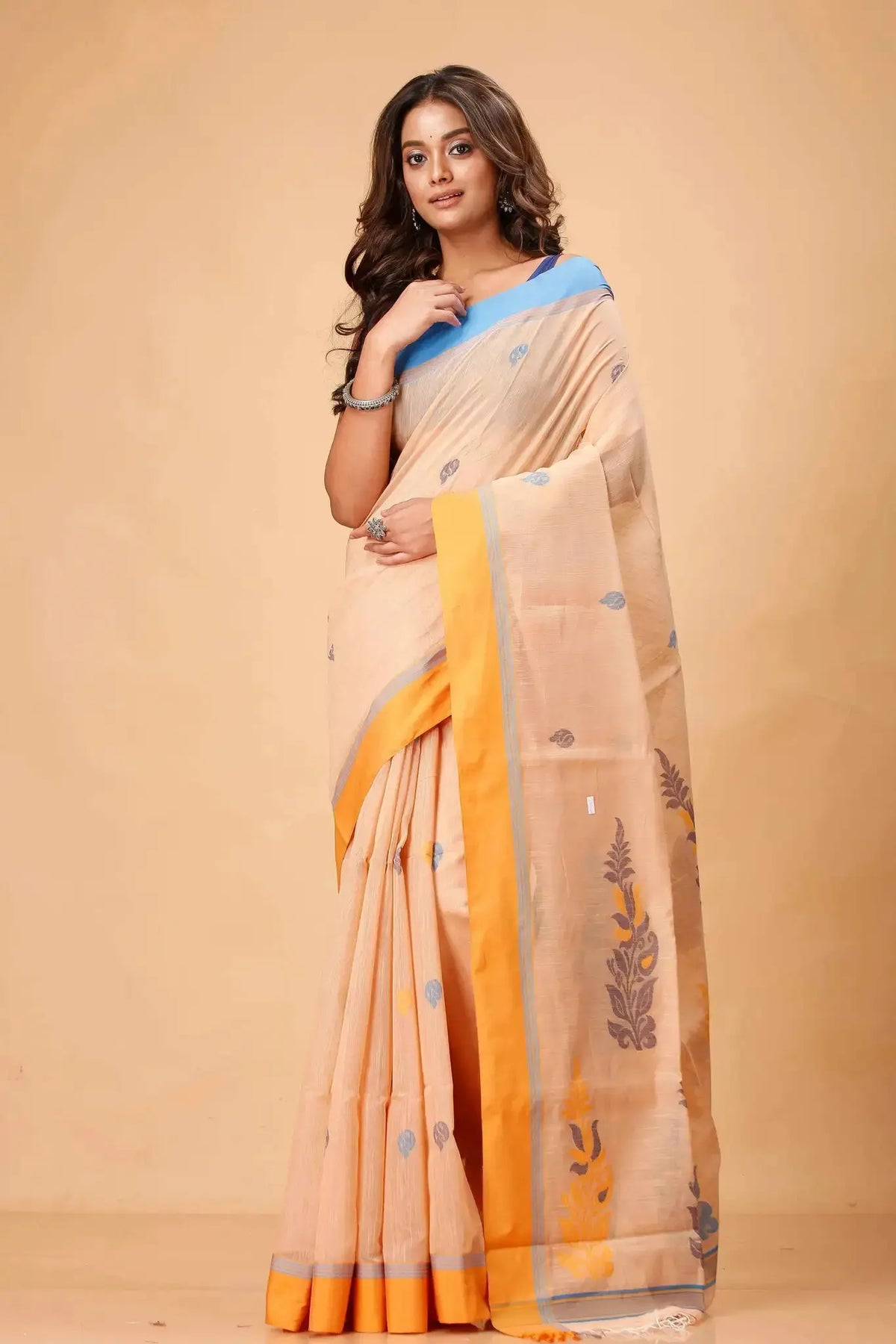
Certainly! The versatility of these sarees makes them suitable for a wide range of occasions, from festive celebrations and weddings to formal gatherings. The rich textures and elegant designs easily complement both traditional and contemporary settings. For those interested in something slightly different yet equally sophisticated, options like the Elegant Beige Manipuri Cotton Saree with Blue & Mustard Woven Border provide an alternative while still maintaining the mixed heritage style.
Conclusion
The intertwining of South Indian saree traditions with Bengal handloom techniques speaks volumes of India’s ability to merge diverse cultural elements into a beautiful tapestry of fashion artistry. This remarkable fusion captures the richness of heritage, craftsmanship, and artistic expression, making each saree not just a piece of clothing, but a story of culture and tradition woven into its fabric.
For anyone interested in exploring this unique fusion, online stores like Grivana offer an exquisite collection that highlights the brilliance of these artistic combinations. Discover the elegance of these timeless pieces and let each drape echo the splendid diversity of Indian textiles.
By exploring such intricacies, one develops not just an appreciation for these incredible creations but also a respect for the hands that craft them. Celebrate the elegance of the South Indian saree, the finesse of Bengal handloom, and let your wardrobe tell tales of heritage and artistry.
This post explores significant elements of the South Indian saree intertwined with Bengal handloom techniques, promising readers a deeper understanding and appreciation of these rich Indian sartorial traditions.