
As India dances through the cycles of its vibrant calendar, festive attire plays an integral role, reflecting the joy, culture, and traditions of its monumental celebrations. Among these, Diwali, Onam, and Dussehra stand out as exuberant occasions that bring together communities in colorful harmony. In this post, we'll explore how the attire worn during these festivals has evolved, showcasing not just a delightful sartorial splendor but also an enriched cultural tapestry. As we embrace the festive mood, let’s dive into the transformations these celebrations have witnessed over the years, marking the transitions with the finesse of handwoven arts.
The Timeless Essence of Diwali
Diwali, also known as the Festival of Lights, epitomizes the victory of light over darkness and knowledge over ignorance. Traditionally, this auspicious occasion sees individuals across the nation adorning themselves in vibrant, resplendent clothing reflective of both local and pan-Indian aesthetics.
Historical Attire to Present Day Miracles

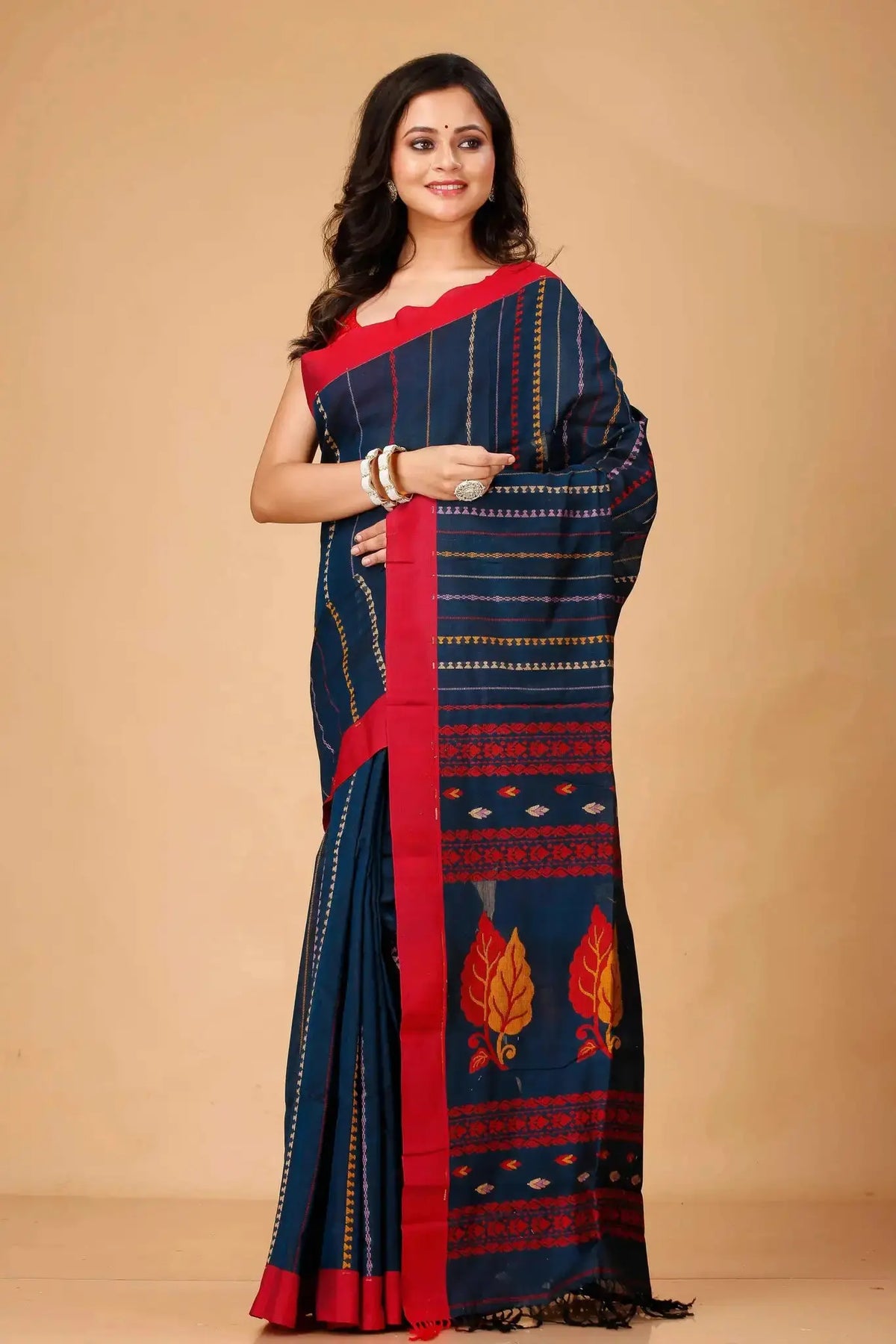
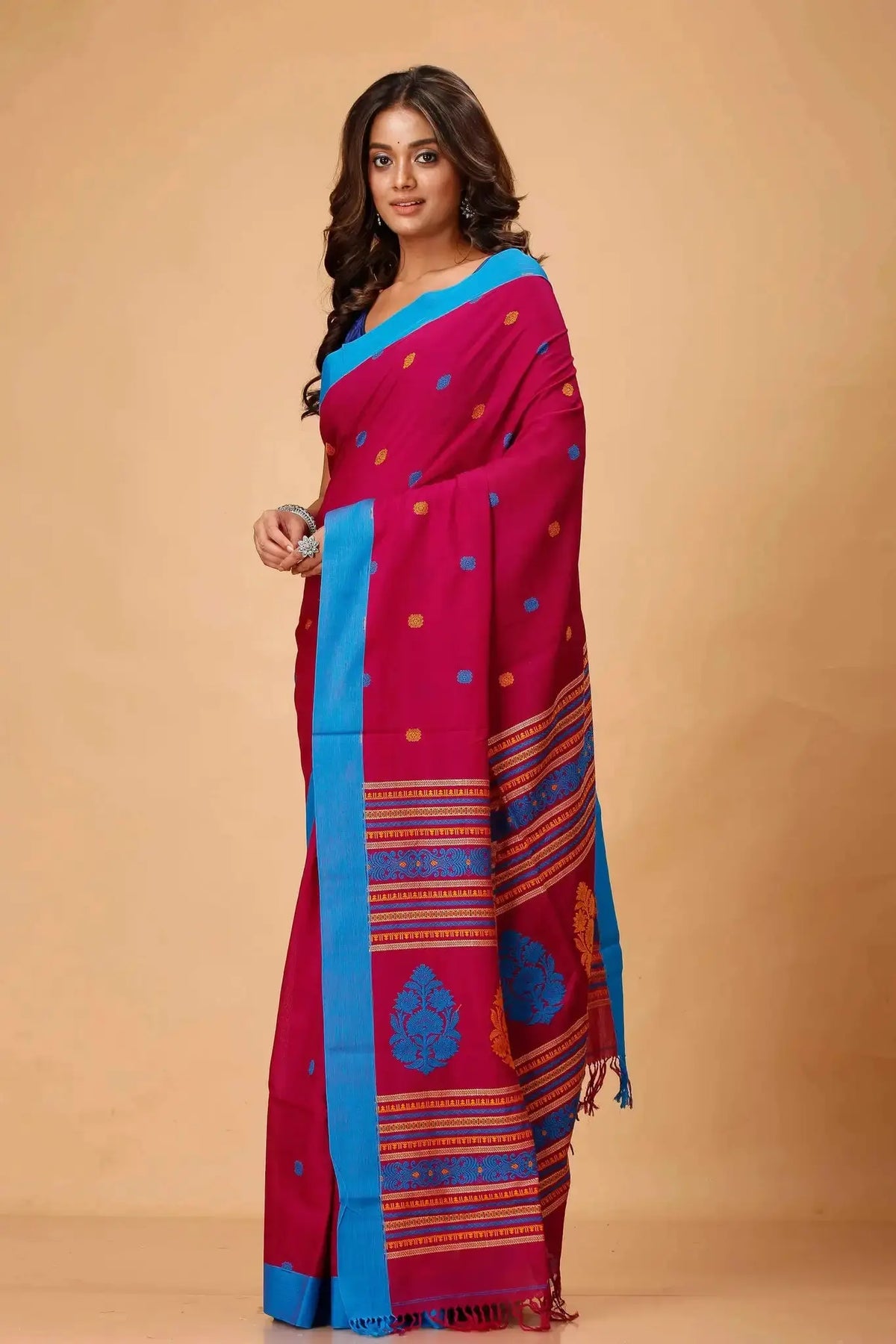
Historically, the grandeur of Diwali was echoed in attire made from silk and brocade woven with gold and silver threads. As the years have progressed, fashion has embraced contemporary styles while retaining its traditional roots. Today, you will find a mix of classic and modern in festive collections, such as the Reddish Orange- Bellu Cotton Handloom Fancy Mix Design Saree With Blouse Piece. This saree beautifully accents the celebration with its vivid colors and mixes traditional handloom with a modern twist.
Modern Influence and Cultural Diversity

The dynamic nature of modern Diwali attire now incorporates a blend of textures and styles, including statement pieces like the Grey Manipuri Cotton Saree With Forest Green Border Woven Pallu, which highlights the intricate craftsmanship and regional influences that make up today’s festive attire. Though changes in societal styles have imbued Diwali fashion with international flavor, the heart of celebration remains deeply rooted in cultural identity.
Onam: The Festival of Harvest
Onam, celebrated predominantly in Kerala, is known for its rich traditions and the spirit of togetherness. As a harvest festival, Onam holds significant relevance for families who come together to partake in its vibrant festivities.
Dress Code of Tradition

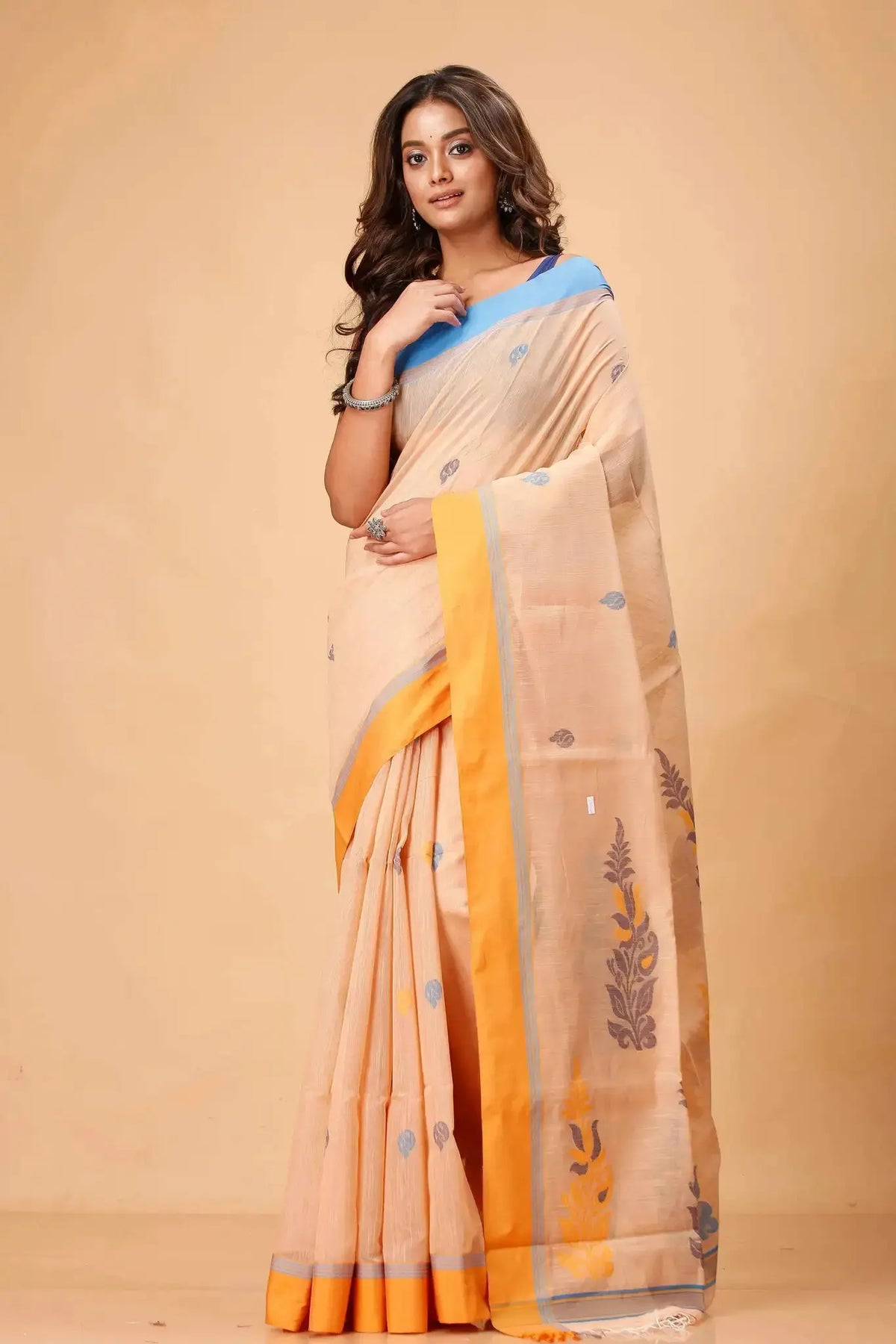
Traditionally, the attire for Onam reflected simplicity wrapped in grandeur. The renowned Kerala saree—Kasavu—characterized by its white cotton base with golden borders, remains iconic in Onam celebrations. However, with evolving trends, there have been introductions of beautiful tones and complementary textures. A perfect example includes the Light Peach- Pure Cotton Bengal Handloom Saree With Traditional Motifs Blue Border which integrates regional designs while keeping the essence of Onam intact.
Fusion of Modernity and Tradition

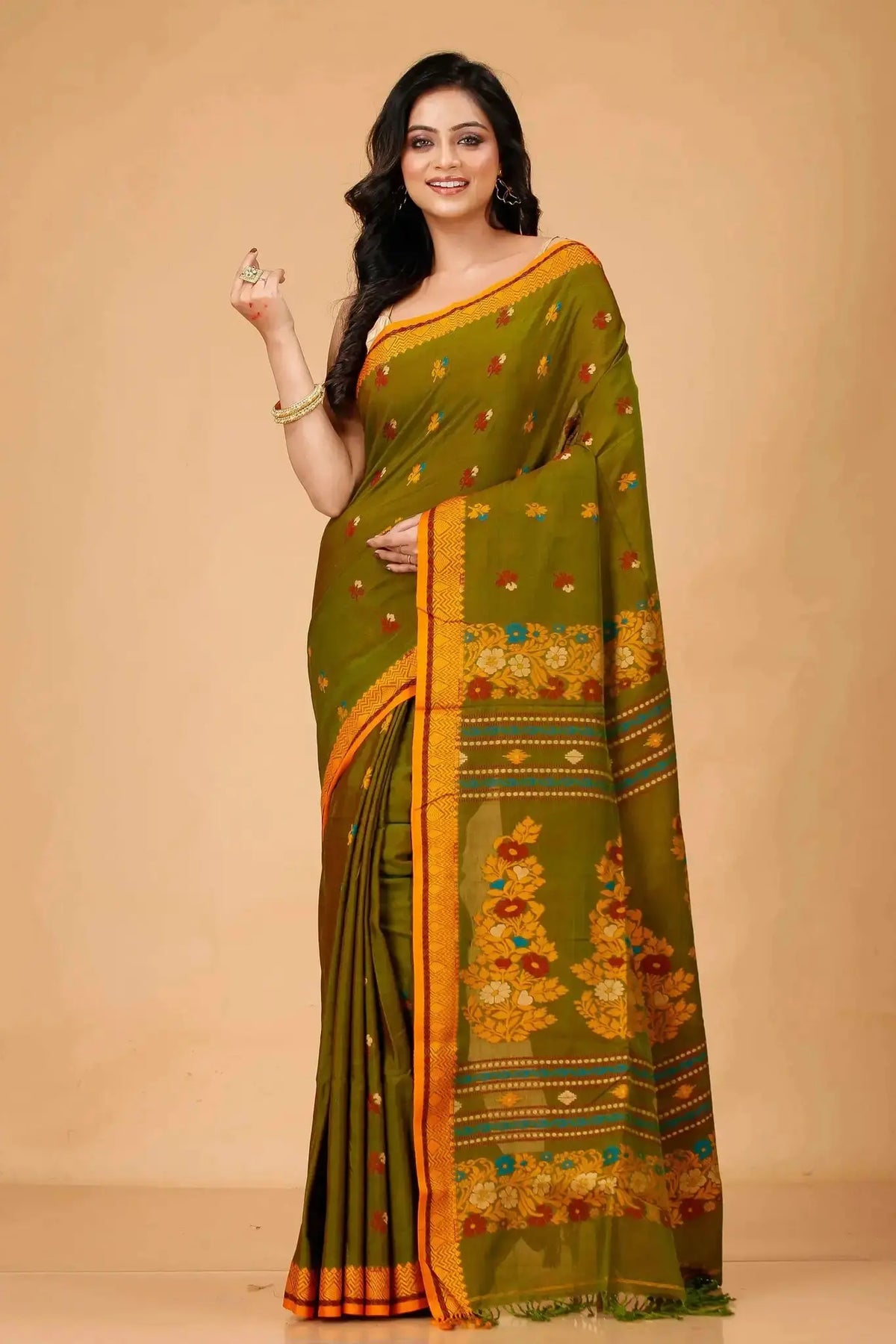
Today's Onam attire showcases a wonderful blend of craftsmanship and contemporary designs. The cultural narratives are now being told through modern fashion statements such as the Elegant Olive Green Manipuri Cotton Saree With Mustard Border & Floral Pallu, which offers floral motifs and rich colors. The attire during Onam, while evolving, continues to reflect the joy and unity of this bountiful festival.
Dussehra: The Triumph of Good Over Evil
Dussehra, synonymous with the defeat of evil and the celebration of good, is marked by vibrant festivals and customs across the country. Also known as Vijayadashami, it is a symbolic occasion celebrated with fervent devotion.
Evolution of Festive Wear

In the past, Dussehra attire was traditionally formal and understated, yet vibrant enough to reflect the spirit of triumph. As time progressed, the attire for Dussehra evolved into something that resonates with festive grandeur much like its pan-Indian nature. Celebrants might don a piece like the Green & Red- Traditional Motifs Graceful Handwoven Manipuri Cotton Saree for its intricate artisanal charm that echoes traditional beliefs with a modern allure.
From Traditional to Contemporary
The modern-day Dussehra has witnessed a merge of tradition with contemporary styles, catalyzed by cultural and lifestyle influences. Each region upholds its unique style, contributing to a rich diversity in Dussehra fashion—making the puja and its associated ceremonies as much a feast for the eyes as for the soul.
The Cross-Cultural Fabrics of Celebrations
At its core, festive attire remains a canvas that portrays the rich cultural tapestry of India. It celebrates legacies, honors heritage, and embraces modernity. Each piece of clothing signifies the continuity of traditions through generations while adapting to nuanced socio-cultural influences.
These transformations highlight not just a shift in fashion but symbolize how these festivals have retained their essence over years despite socio-economic changes. Draping oneself in festive garments has become a form of artistry that conveys messages of resilience, unity, and the timeless intersection of past and present.
Discover More:To further immerse yourself in the world of festive attire and celebrate these cultural evolutions, visit Grivana's collection and explore an array of beautifully handcrafted garments that add a splash of vibrancy to every joyous occasion.
Embarking on this journey of festive transformations through attire allows us to see how deeply these celebrations are woven into the fabric of our lives. Whether it's Diwali, Onam, Dussehra, or Durga Puja, the vibrant colors, rich textures, and traditional motifs continue to mirror the essence of these auspicious occasions.