
Updated on: April 5, 2026
Discover the timeless elegance of authentic ethnic garments that celebrate India's rich cultural heritage. This comprehensive guide explores the significance, variety, and contemporary styling of traditional Indian wear, helping you understand why these garments remain essential to modern wardrobes. From handwoven sarees to intricately designed pieces, learn how to select and wear these treasured textiles with confidence and respect.
Table of Contents
- Introduction
- Product Spotlight
- Did You Know
- Pros and Cons Analysis
- Frequently Asked Questions
- Conclusion and Call to Action
- About the Author
Understanding Traditional Indian Wear: A Timeless Cultural Expression
Traditional Indian wear represents far more than clothing; it embodies centuries of cultural wisdom, artistic excellence, and regional identity. These garments tell stories of craftsmanship, connecting wearers to their heritage while serving as versatile pieces for contemporary occasions. Whether you are attending a family celebration, cultural event, or simply exploring your roots, understanding the nuances of ethnic garments enriches both your wardrobe and cultural appreciation.
The appeal of traditional Indian wear extends beyond aesthetics. These pieces promote sustainable fashion through handcrafted production methods and natural materials. The intricate weaving techniques passed down through generations represent living art forms that deserve recognition and preservation. By choosing authentic ethnic garments, you support artisan communities and contribute to maintaining these invaluable cultural practices.
Modern fashion has embraced traditional Indian wear in innovative ways. Contemporary styling allows these garments to transition seamlessly from formal events to casual gatherings. Understanding the fundamentals of selection, care, and styling empowers you to wear these pieces confidently while respecting their cultural significance.
Product Spotlight: Handwoven Cotton Sarees
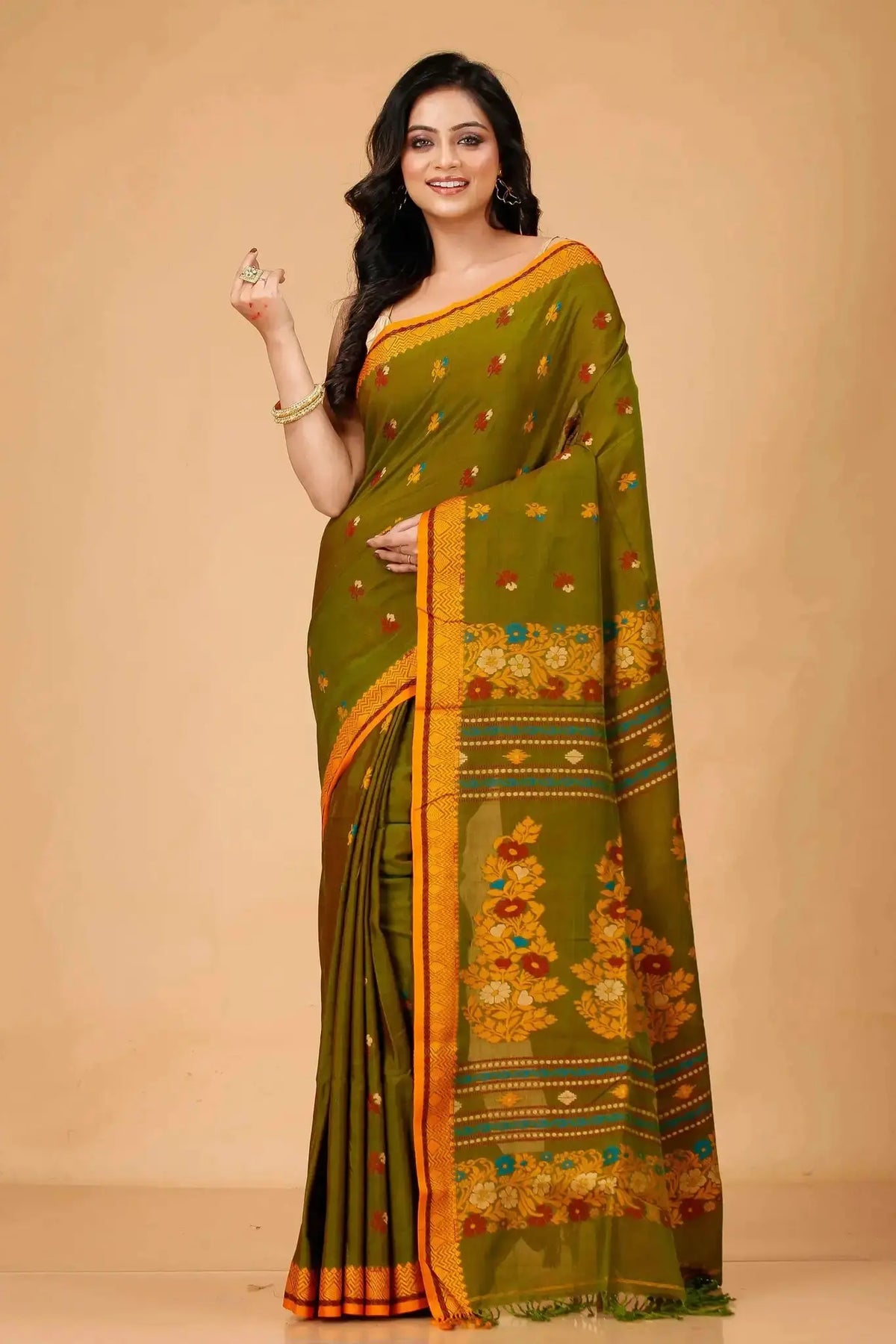
Handwoven cotton sarees represent the pinnacle of traditional Indian wear craftsmanship. These six-yard garments, produced using centuries-old techniques, showcase regional variations that reflect India's diverse cultural landscape. The Bengal handloom saree, for instance, features distinctive geometric patterns and rich color combinations that make each piece unique.
Quality handwoven sarees exhibit several hallmark characteristics. The fabric drapes elegantly, the weave patterns reveal intricate details upon closer inspection, and natural fibers provide superior comfort throughout the day. Regional variants like Manipuri cotton sarees display their own distinctive aesthetics, with characteristic borders and motifs that honor specific weaving traditions.

Intricate weaving patterns displayed through natural cotton texture and traditional loom craftsmanship
The handwoven Bengal cotton saree in chocolate brown exemplifies this artisanal excellence. Such pieces combine traditional aesthetics with practical wearability, making them suitable for various occasions. The natural cotton fiber ensures breathability and comfort while the handwoven construction creates subtle variations that highlight authentic craftsmanship.
Investment in quality handwoven pieces ensures longevity and timeless appeal. Unlike mass-produced alternatives, authentic ethnic garments appreciate in value and significance over time. The durability of handwoven cotton sarees means they can be treasured and passed to future generations, becoming family heirlooms that carry cultural memory.
Did You Know: Fascinating Facts About Traditional Indian Wear
- India's handloom sector employs over two million artisans, many of whom practice techniques unchanged for centuries, preserving invaluable cultural knowledge and supporting rural communities.
- The saree, one of the world's oldest continuous garments, predates many modern clothing forms and remains largely unchanged in its fundamental six-yard structure.
- Different regions of India develop distinctive weaving styles; Manipuri sarees feature unique checkered patterns, while Bengal varieties showcase geometric motifs reflecting local artistic traditions.
- Natural cotton dyes and traditional dyeing methods produce colors that become richer with age and washing, unlike synthetic alternatives that fade over time.
- A single handwoven saree may require two to four weeks of labor, with master weavers creating patterns entirely from memory without written designs.
- Traditional Indian wear garments made from natural fibers regulate body temperature effectively, making them practical for various climates despite their elegant appearance.
Pros and Cons Analysis: Making Informed Choices
Advantages of Traditional Indian Wear
- Cultural Authenticity: Wearing traditional ethnic garments connects you directly to India's rich heritage and demonstrates respect for ancestral traditions.
- Sustainability: Handwoven pieces utilize natural fibers and traditional production methods with minimal environmental impact compared to industrial manufacturing.
- Versatility: These garments transition effortlessly from formal events to casual occasions when styled appropriately with different accessories and draping techniques.
- Longevity: Quality handwoven pieces withstand decades of wear, becoming more beautiful with age as natural fibers develop character and patina.
- Artisan Support: Purchasing authentic ethnic wear directly supports skilled craftspeople and rural communities that depend on traditional textile production.
- Unique Design: Each handwoven piece exhibits subtle variations, ensuring you own truly one-of-a-kind garments rather than mass-produced copies.
Considerations When Choosing Traditional Indian Wear
- Initial Cost: Authentic handwoven garments require significant investment, though their durability and timeless appeal justify the expense over extended periods.
- Care Requirements: Natural fiber garments need careful washing, storage, and handling to maintain quality and prevent damage.
- Styling Knowledge: Properly draping and accessorizing traditional wear requires practice and understanding of regional conventions and contemporary styling approaches.
- Seasonal Appropriateness: Different weights and fabric types serve distinct seasons and occasions, requiring thoughtful selection based on climate and event type.
- Availability: Finding authentic pieces from reputable artisans requires research and connection to trusted sources specializing in traditional garments.

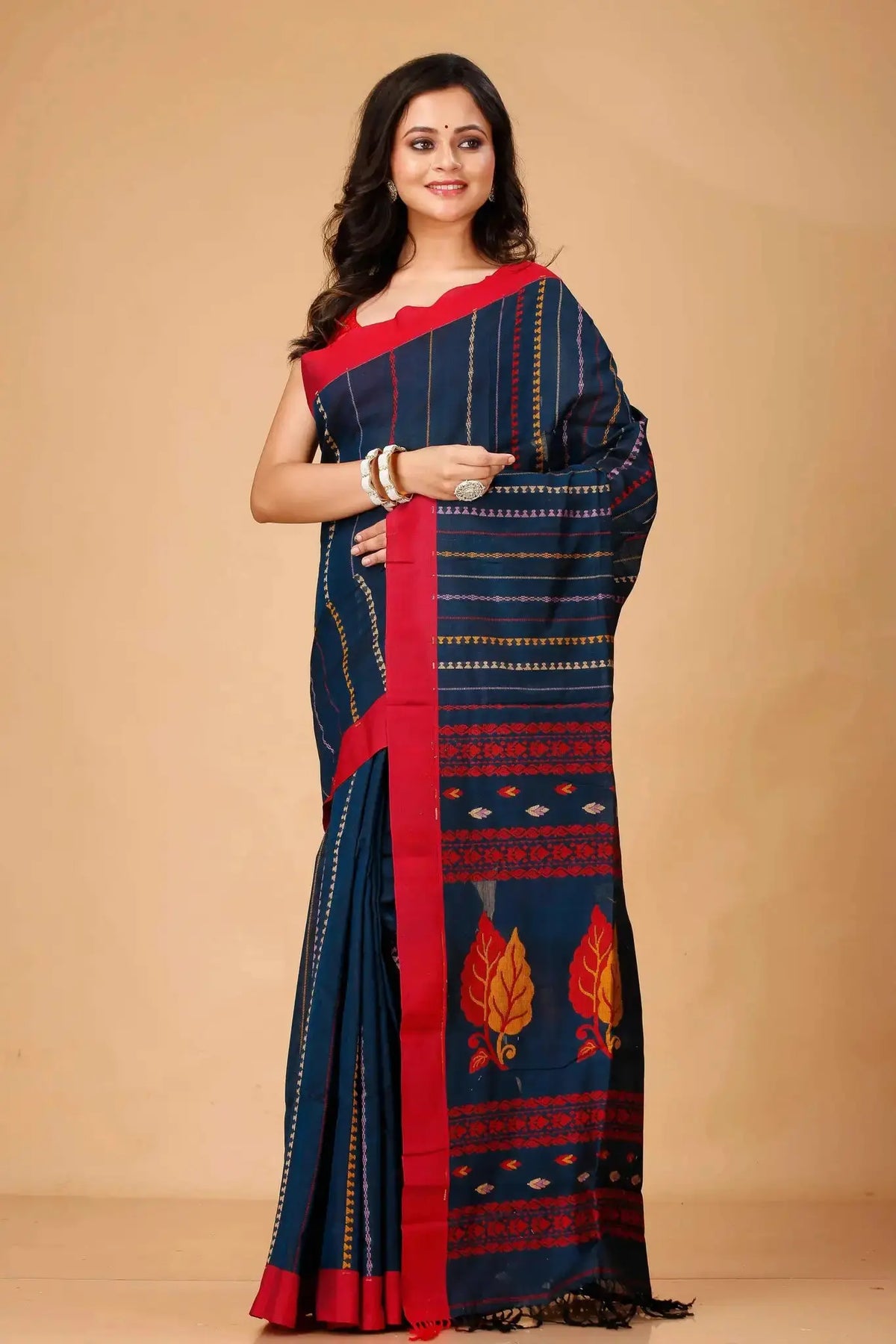
Natural cotton fabric displaying traditional colors and handwoven texture with characteristic regional patterns
The navy blue Manipuri cotton handloom saree with red border demonstrates how understanding these considerations helps you make purchases aligned with your values and lifestyle. Balancing these factors ensures satisfaction with your investment in traditional Indian wear.
Frequently Asked Questions About Traditional Indian Wear
How do I properly care for handwoven cotton sarees?
Handwoven cotton sarees require gentle handling to preserve their beauty. Hand wash them in cool water using mild, natural soap, avoiding harsh detergents that damage fibers. Dry sarees in shade rather than direct sunlight to prevent color fading. Store them in breathable cotton bags in cool, dry locations, avoiding plastic containers that trap moisture. Use fine muslin cloth between folds to prevent creasing and protect delicate weave patterns. Professional dry cleaning may be necessary for stubborn stains, ensuring experts experienced with traditional textiles handle your garments.
What is the difference between various regional traditional Indian wear styles?
Each region of India developed distinctive weaving traditions reflecting local resources, cultural influences, and artistic preferences. Bengal handloom sarees feature geometric patterns and bold color combinations, while Manipuri varieties showcase checkered designs and specific border styles. Bhagalpuri silk sarees display unique shading techniques, and Mysore silks exhibit classical elegance. Understanding these regional differences helps you appreciate the specific heritage each garment represents and select pieces that resonate with your cultural interests or family background.
Can traditional Indian wear be styled for modern occasions?
Absolutely. Contemporary fashion embraces traditional Indian wear through creative styling approaches. Pair sarees with modern jewelry, contemporary footwear, and fashionable draping techniques to create fusion looks suitable for casual and professional settings. Experiment with different blouse styles, accessory choices, and draping methods to adapt these garments for various occasions. Many fashion-forward individuals successfully integrate traditional wear into daily wardrobes by combining pieces with Western clothing or creating modern interpretations of classic draping styles, proving these garments remain relevant and versatile for contemporary life.
Where should I purchase authentic traditional Indian wear?
Seek reputable artisan collectives, established handloom organizations, and certified ethnic wear retailers that directly support weavers. Research sellers who provide transparent information about garment origins, weaver details, and production methods. Avoid mass-market retailers selling machine-made imitations marketed as handwoven pieces. Visiting specialized boutiques that curate authentic collections ensures you receive genuine handcrafted items with proper documentation and assurance of quality craftsmanship.
Conclusion and Call to Action
Traditional Indian wear represents an investment in cultural heritage, sustainable fashion, and timeless elegance. These handwoven garments celebrate centuries of artistic excellence while supporting artisan communities and preserving invaluable craft traditions. Whether you are exploring your cultural roots, building a sustainable wardrobe, or appreciating fine craftsmanship, authentic ethnic wear offers unparalleled beauty and significance.
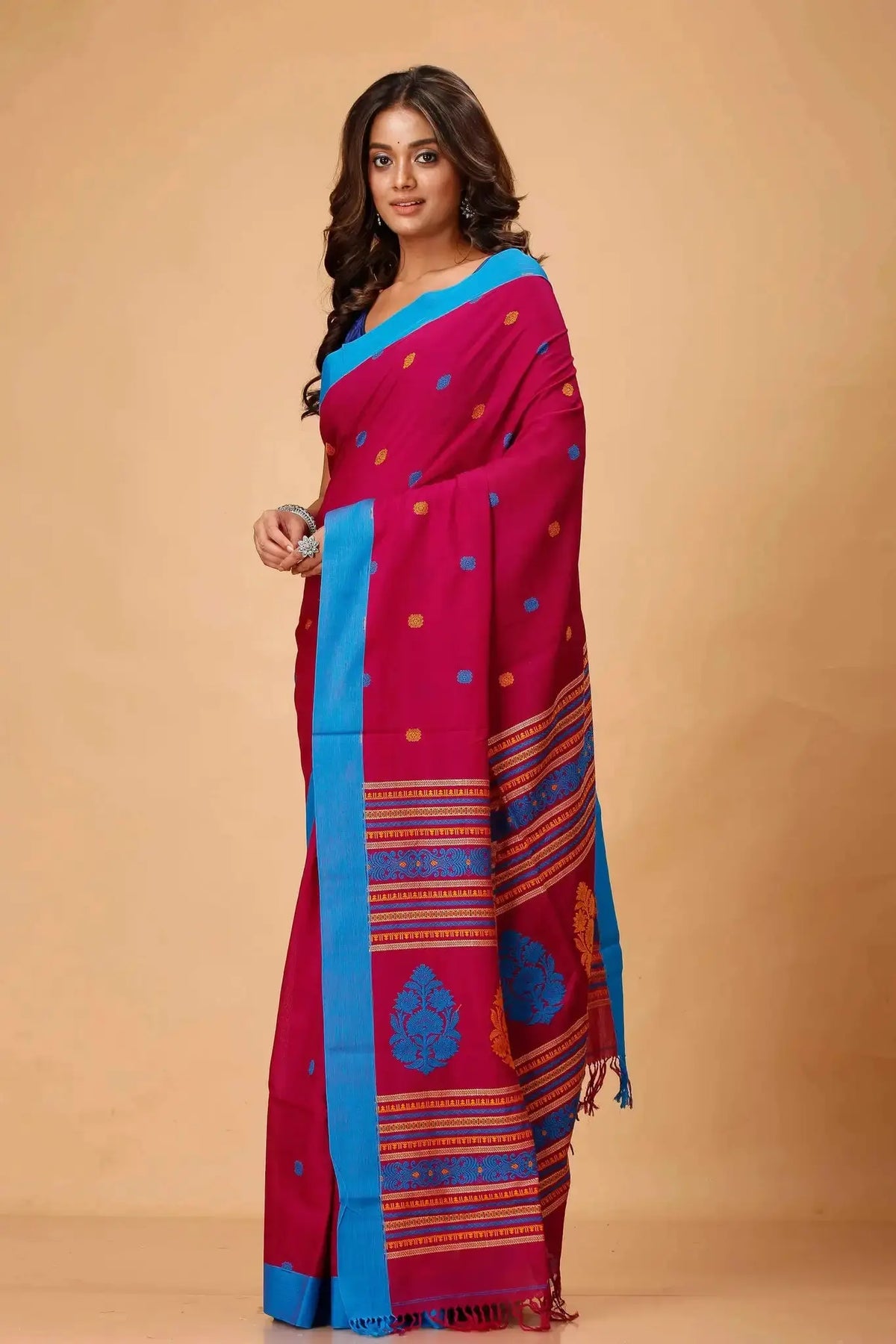
Begin your journey into traditional Indian wear by exploring authentic pieces from trusted sources. The Bellu cotton handloom fancy saree with red and navy blue border offers an excellent introduction to quality handwoven garments. Start with pieces that resonate with your aesthetic preferences and gradually expand your collection as you develop deeper appreciation for regional variations and styling possibilities.
Connect with Grivana today to discover curated collections of authentic handwoven sarees and traditional Indian wear. Our platform celebrates artisan excellence while providing access to genuine pieces that honor cultural heritage. Browse our selection and invest in garments that tell stories, support communities, and bring timeless beauty into your life. Explore how traditional Indian wear can transform your wardrobe and deepen your cultural connection today.
About the Author
This article was created by the Grivana team, specialists in authentic handwoven textiles and traditional Indian wear with extensive expertise in heritage craftsmanship and sustainable fashion. With deep knowledge of regional weaving traditions, artisan practices, and contemporary styling approaches, Grivana provides authoritative guidance on selecting and appreciating authentic ethnic garments. We remain committed to supporting artisan communities while helping customers discover the timeless beauty and cultural significance of handcrafted Indian textiles. Thank you for reading; we look forward to helping you find the perfect pieces for your collection.