

Cotton South Indian sarees are timeless and elegant garments that have been a staple in wardrobes for many generations. With their rich textures, vibrant colors, and intricate designs, these sarees offer a blend of tradition and style. Whether it's a classic Bengal handloom or a delicate jamdani, these sarees are cherished not only for their aesthetic appeal but also for their cultural significance. However, maintaining these garments can be a daunting task. From washing to storing, each step requires meticulous care to ensure that the fabric remains as beautiful as the day you first wore it.
In this blog post, we will delve into the common issues faced when maintaining cotton South Indian sarees and provide practical solutions to ensure their longevity. We'll explore tips for washing, drying, storing, and ironing, with special focus on Bengal handloom sarees and Jamdani weave sarees. Don't forget to visit the Grivana website for a stunning collection of these breathtaking sarees.
Understanding the Fabric: Cotton and Its Variants
Before diving into the maintenance tips, it's essential to understand the fabric itself. Cotton is a natural fiber that is highly breathable and comfortable, making it ideal for South Indian sarees. Some of the popular variants in South Indian sarees include:
- Bengal Handloom: Known for its intricate handwoven patterns, Bengal handloom sarees are crafted with precision and are a testament to skilled craftsmanship.
- Jamdani: Recognized for its fine muslin and rich artistic patterns, the Jamdani weave is characterized by its lightweight yet durable fabric.
Recommended Products:

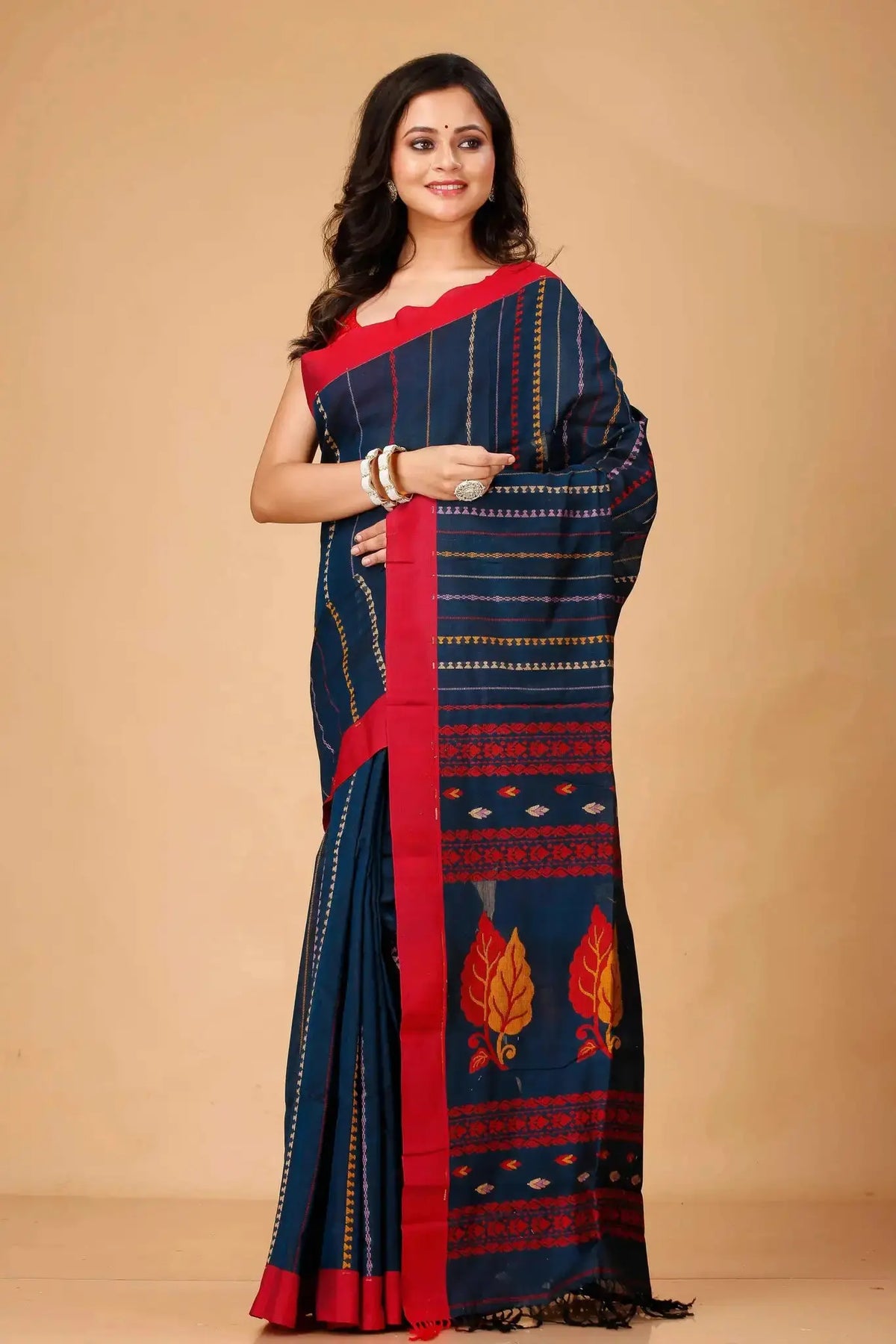
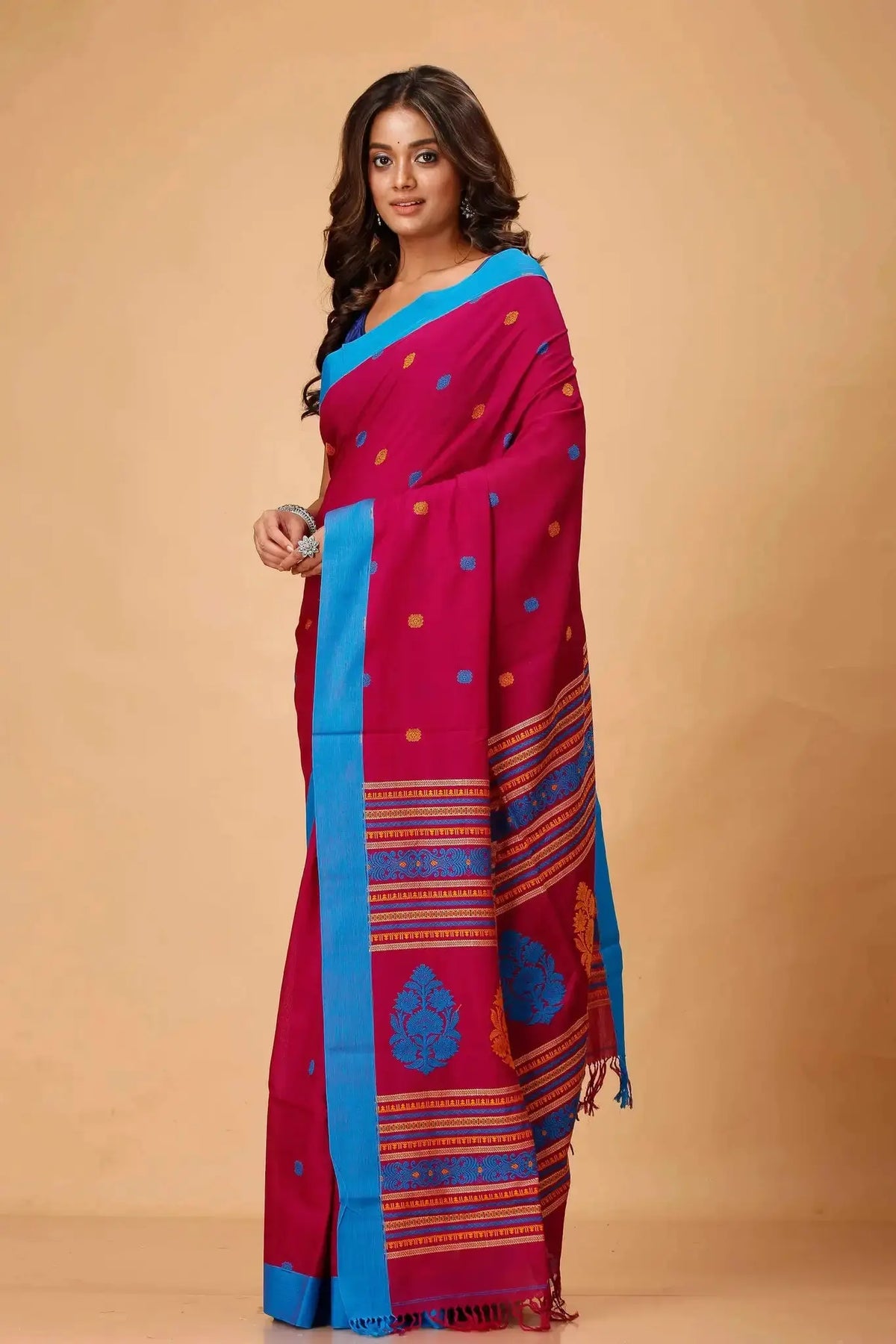
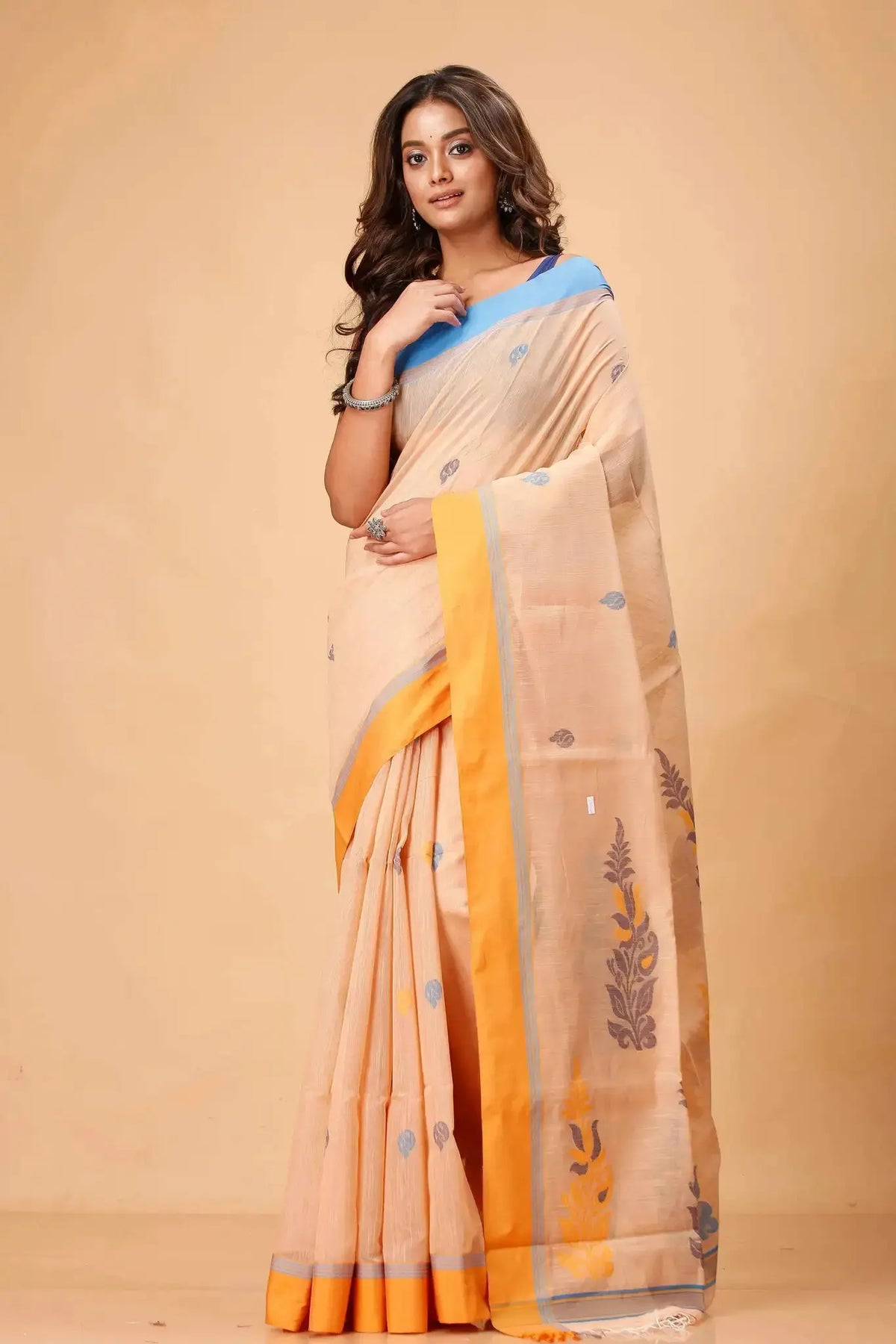
- Lava Red- Traditional Handwoven Pure Cotton Bengal Handloom Indian Saree
- Elegant Red Pink Bengal Handloom Ikat Print Soft Jamdani Saree
- Coffee - Pure Cotton Bengal Handloom Traditional Handwoven Indian Saree
Common Issues and Their Solutions
1. Washing Complications
One of the most common issues with maintaining a cotton saree is the washing process. The delicate nature of these sarees means they are susceptible to damage if not handled properly.
Solution: Always wash cotton sarees by hand using mild detergent. Avoid wringing the fabric to prevent creases and stretching. Use cold water to preserve the colors and reduce fading.
2. Color Bleeding
Cotton sarees, especially those with vibrant colors, tend to bleed during the first few washes.
Solution: Soak the saree in a mixture of cold water and salt before washing to set the colors. Additionally, wash similar colors together to prevent cross-color staining.
3. Shrinkage
Cotton can shrink after washing, which is a common concern for many.
Solution: Pre-shrink the saree by soaking it in water before the first wash. This allows the fabric to adjust, minimizing future shrinkage.
4. Stains and Dirt
Spills and stains are inevitable, especially when wearing a saree to events or gatherings.
Solution: Treat stains immediately by blotting (not rubbing) with a damp cloth. For persistent stains, a gentle stain remover suitable for cotton can be used.
5. Drying Dilemmas
Improper drying can lead to the fabric getting stretched or losing its shape.
Solution: Always air dry your saree in shade to preserve its color and fabric integrity. Avoid direct sunlight, as it can fade colors and weaken the fabric over time.
Storage Suggestions
Proper storage is essential to maintain the texture and shape of South Indian cotton sarees. Follow these tips to keep them in pristine condition:
- Folding: Fold the saree neatly along the zari lines or pleats to prevent creases and distortions.
- Pouches: Use cotton or muslin cloth pouches for storage to protect the fabric and allow it to breathe.
- Avoid Plastic: Never store sarees in plastic covers as they can cause the fabric to yellow over time.
- Regular Ventilation: Ensure sarees are aired regularly to prevent moths and maintain freshness.
Recommended Product:

Green White Bellu Cotton Handloom Fancy Mix Design Saree With Blouse Piece
Ironing and Managing Creases
Ironing cotton sarees requires careful attention to avoid damaging the fabric.
Solution: Use a medium heat setting and press lightly to remove wrinkles. Iron the saree when it is slightly damp for better results. Place a cotton cloth between the iron and the saree to prevent direct heat contact.
Special Care for Jamdani and Bengal Handloom Sarees
While the above tips are applicable broadly, Jamdani and Bengal Handloom sarees require some specific care due to their delicate weaves and artisanal value.
Jamdani Sarees:
- Handle these sarees with utmost care as their fine weaves can snag easily.
- Avoid jewelry or accessories that can catch on the fabric and cause tears.
Bengal Handloom Sarees:
- Given their intricate patterns, avoid heavy ironing. Opt for steaming if possible to maintain the weave's texture.
- Be cautious when wearing these sarees, near any sharp edges that can pull the threads.
Conclusion

Maintaining South Indian cotton sarees may seem challenging, but with the right practices, it becomes a seamless process. By understanding the unique needs of the fabric and addressing issues like washing, drying, and storing with care, you can ensure that these beautiful sarees remain as elegant as ever.
Explore the beautiful collection on Grivana to add a piece of this artistry to your wardrobe. Whether you're eyeing the Rose Gold- Bengal Handloom Cotton Tant Saree With Traditional Motifs or any other exquisite design, be sure to follow these maintenance tips to keep your saree stunning for years to come.
By investing time in understanding fabric care, you not only enhance the longevity of your saree but also pay homage to the rich traditions and painstaking effort that goes into creating these masterpieces. Embrace these tips, and let your sarees tell the tale of elegance and tradition each time you wear them.